Learn Poker Risk-Free: Practice for Free with Games and Simulations

Learn Poker Risk-Free: Practice for Free with Games and Simulations
Poker is one of the most popular card games in the world—a mix of strategy, psychology, and luck. But for many beginners, the idea of playing for real money can feel intimidating. The good news is that you can learn poker completely risk-free. With free games, apps, and online simulations, you can practice, understand the rules, and develop your strategy before ever wagering a dollar.
Start by Learning the Basics
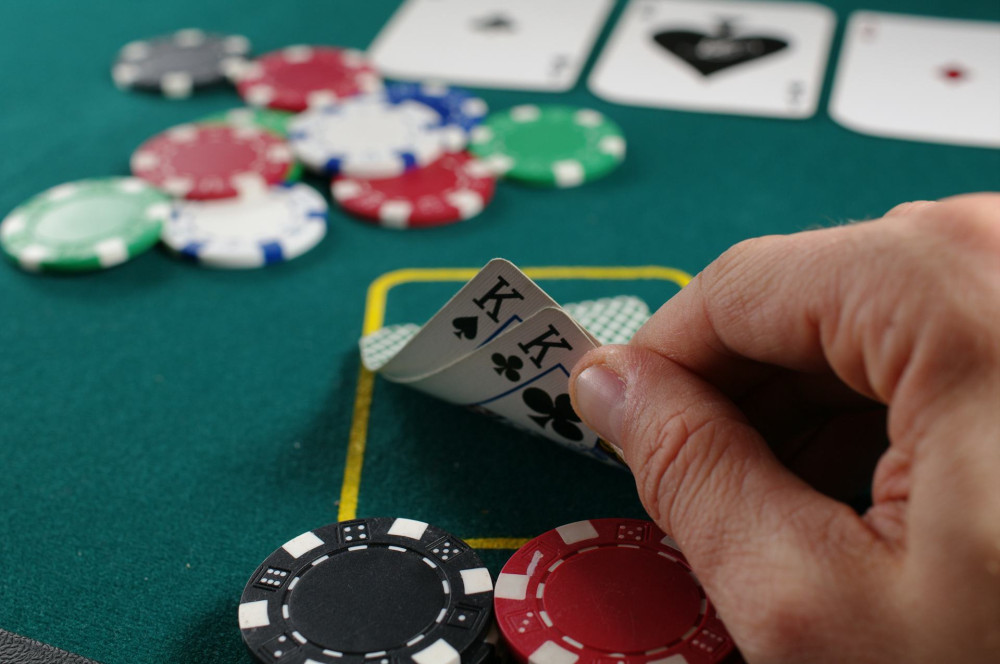
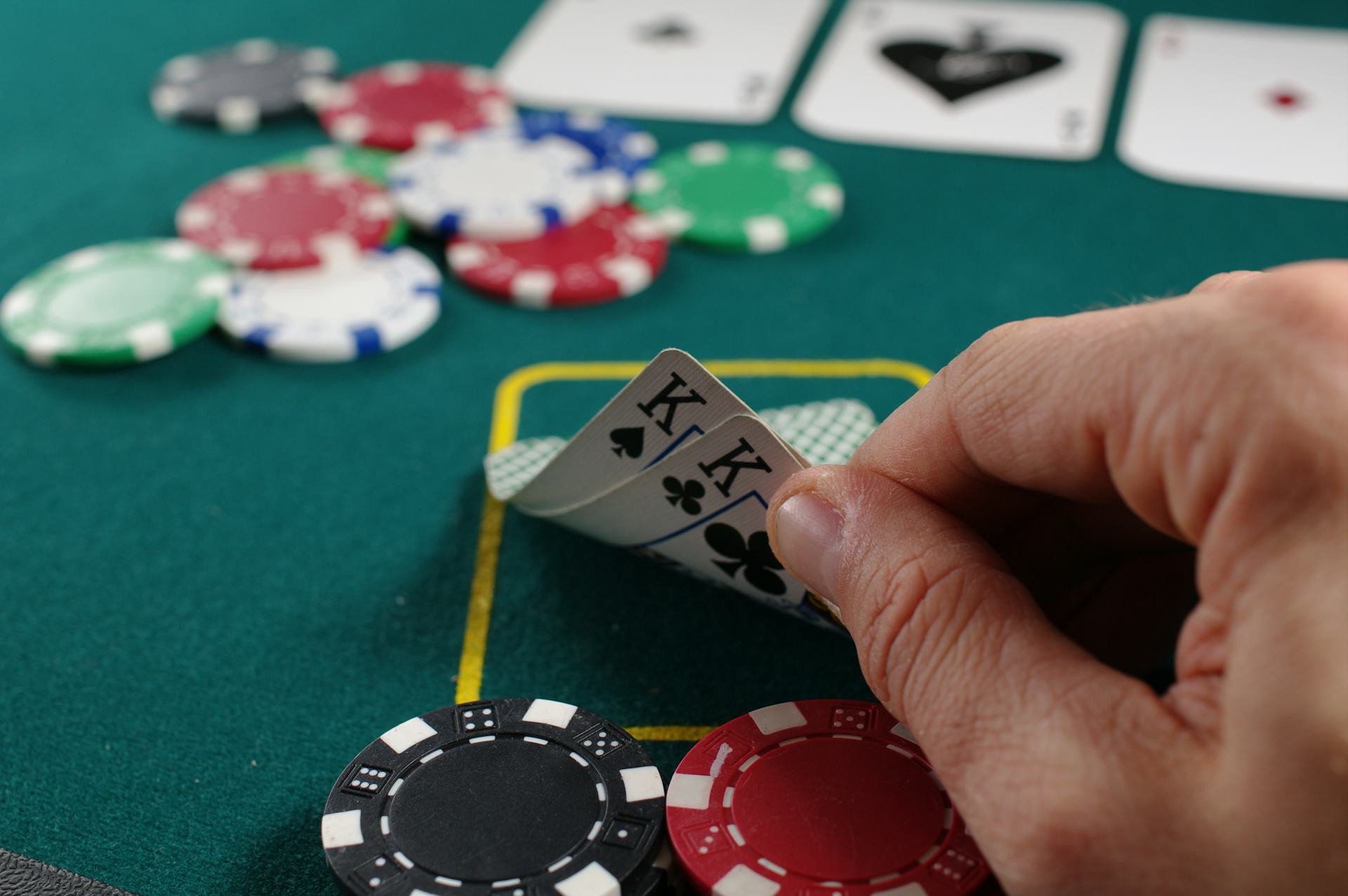
Before you sit down at a table, it’s important to understand the basic rules. Most players start with Texas Hold’em, the most common poker variant. Each player receives two private cards, and five community cards are placed on the table. The goal is to make the best possible five-card hand from the seven cards available.
There are countless free resources online that teach the rules step by step—from hand rankings to betting rounds. Interactive tutorials, videos, and quizzes can help you master the fundamentals before you play against others.
Læs også:




Practice with Free Poker Games
One of the best ways to learn poker is by playing for free. Many online poker platforms offer play money tables, where you use virtual chips instead of real cash. This allows you to experience the game in a realistic setting without any financial risk.
You can also find mobile apps and computer games that let you play against AI opponents or other players. These are great for practicing at your own pace and getting comfortable with the flow, terminology, and common situations that arise in poker.
Use Simulations to Build Strategy
Once you’ve learned the rules, the next step is understanding poker strategy. Simulation tools and training programs can be incredibly helpful here. They let you analyze hands, calculate odds, and see how different decisions affect outcomes.
Some programs show how professional players might have played a particular hand, while others let you experiment with different scenarios. This kind of practice helps you learn when to fold, bet, or raise—and how to respond to your opponents’ moves.
Learn to Read Opponents—Even Online
While poker is often associated with reading facial expressions, online poker is more about reading betting patterns. Pay attention to how your opponents play: do they bet aggressively, fold often, or change their style depending on the situation?
Free games and simulations give you the perfect environment to observe and experiment without pressure. The more you play, the better you’ll become at recognizing patterns and adjusting your own strategy accordingly.
Combine Theory and Practice
Becoming a good poker player requires both knowledge and experience. You can read all the articles and watch all the videos you want, but true understanding comes from playing. That’s why it’s smart to combine theoretical learning with hands-on practice.
For example, you might focus on one aspect of the game each week—such as position, bluffing, or bankroll management—and use free games to test what you’ve learned. This structured approach helps you build a solid foundation and improve steadily over time.
When You’re Ready for the Next Step
Once you feel confident with the rules and have developed a basic strategy, you might consider playing for small stakes. Many poker sites offer micro-stakes tables, where you can play for just a few cents per hand. It adds a bit of excitement while keeping the risk minimal.
Always remember that poker should be fun, not a way to make money. Set limits for yourself and treat the game as entertainment. Responsible play ensures that you enjoy the experience without stress.
Learn Poker at Your Own Pace
The best part about learning poker today is that you can do it entirely on your own terms. Whether you’re playing on your phone during a commute, training with a simulator at home, or joining free online tournaments, you can build your skills gradually—without risking a cent.
With patience, curiosity, and consistent practice, you can quickly move from beginner to a player who understands the depth and dynamics of the game. And most importantly, you’ll learn in a safe, fun, and risk-free way.
Læs også: