Patterns in Roulette: Understand Them – But Don’t Believe in Foolproof Systems

Patterns in Roulette: Understand Them – But Don’t Believe in Foolproof Systems
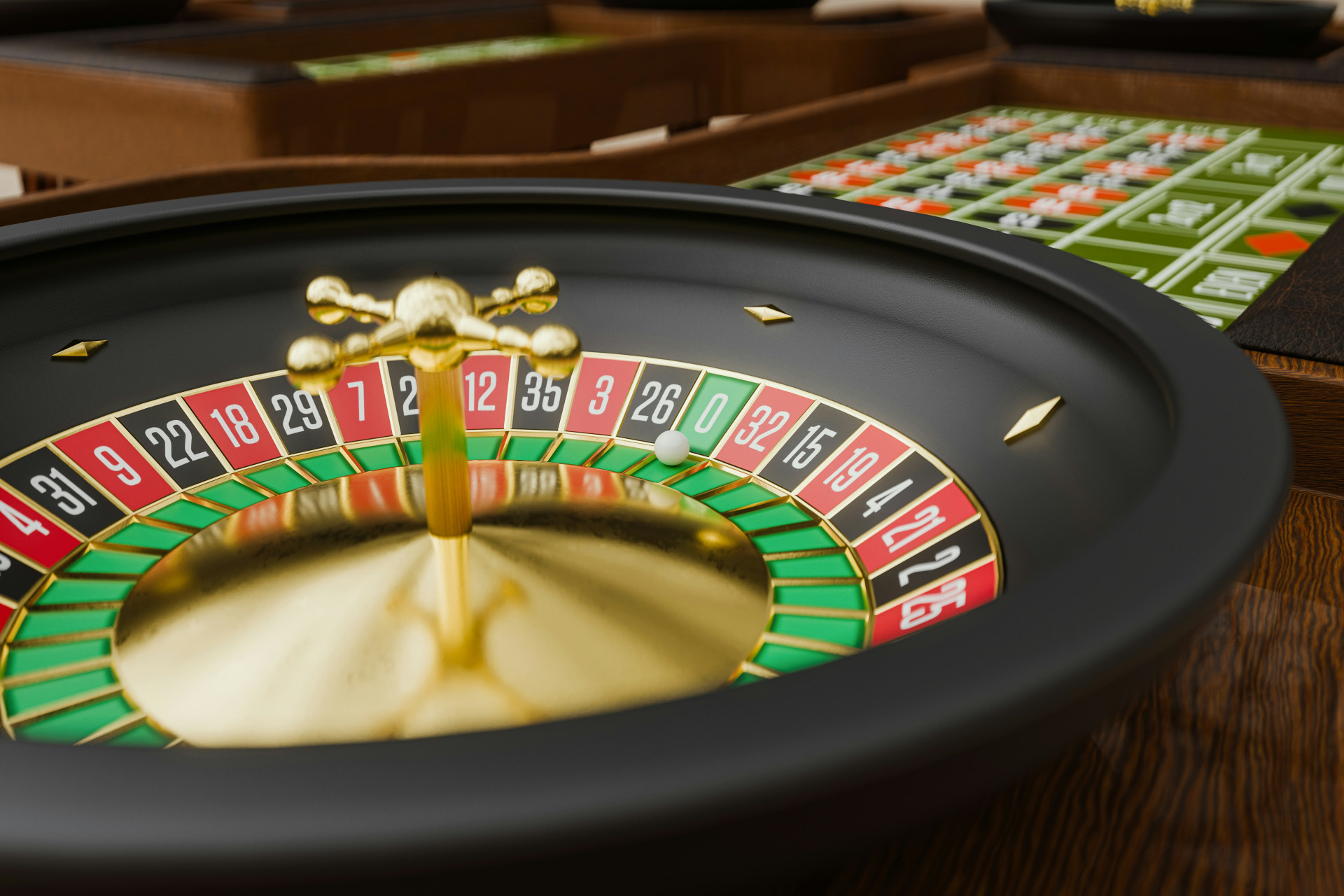
For centuries, roulette has captivated players with its mix of elegance, suspense, and the illusion of patterns. As the wheel spins and the ball bounces between red and black, odd and even, it’s easy to feel that a rhythm is emerging—something you might be able to predict. But beneath the glittering surface lies a game ruled entirely by chance. This article explores why we see patterns in roulette and why no betting system can guarantee a win.
Why We See Patterns That Aren’t There
The human brain is wired to find connections. Throughout evolution, recognizing patterns helped us survive—predicting danger, finding food, and understanding cause and effect. But in games of chance, that same instinct can mislead us. When the ball lands on black five times in a row, many players think, “Red is due next.” This is known as the gambler’s fallacy—the mistaken belief that past outcomes influence future ones.
In reality, every spin is independent. The odds of red or black remain the same each time (except for the green zero or double zero, which give the house its edge). Still, our intuition rebels against this fact, and that’s why so many players chase patterns that simply don’t exist.
The Classic Systems – And Why They Don’t Work
Over the years, countless betting systems have promised to “beat” roulette. Some of the most famous include:
- The Martingale System – You double your bet after every loss, hoping to recover all losses with one win. The flaw? Losing streaks can last longer than you expect, and table limits or your bankroll will eventually stop you.
- The Fibonacci and Labouchere Systems – These use mathematical sequences to manage bets, but they’re still based on the same false assumption that a certain outcome is “due.”
- The D’Alembert System – You increase and decrease your bets gradually, but again, the underlying odds never change.
All these systems share one truth: they don’t alter the house edge. Roulette is designed so that the casino always has a small statistical advantage—no matter how clever your strategy seems.
The Psychological Trap: The Illusion of Control
Part of roulette’s allure lies in the feeling of control. Choosing numbers, colors, or combinations feels like making meaningful decisions. But in truth, it’s pure randomness. This illusion of control makes the game more engaging—and more addictive.
Studies show that players tend to remember their wins more vividly than their losses. This selective memory creates the impression that they’re “good at it,” even though, over time, results always align with probability.
Læs også:

Can Patterns Be Useful at All?
While patterns in roulette can’t predict outcomes, they can help you understand your own behavior. Noticing how you react to streaks of wins or losses can make you a more mindful player. Some people use patterns simply to structure their play—not to win more, but to manage time and spending.
The key is to remember that roulette is entertainment, not an investment strategy. If you play for fun and stick to a set budget, it can be an exciting experience. But believing you can outsmart the wheel is a fast track to disappointment.
Playing Responsibly
If you decide to play roulette—whether online or at a casino—keep these tips in mind:
- Set a maximum amount you’re willing to lose, and stick to it.
- Treat the game as entertainment, not a way to make money.
- Take breaks, and stop when it’s no longer fun.
- Remember that chance can’t be controlled—no matter how many patterns you think you see.
Roulette thrives on the illusion of patterns. Understanding them can make you a smarter, more self-aware player—but believing they can guarantee a win will always be a losing bet.
Læs også: