The First Roulette Wheels: Technology, Design, and Cultural Influence


The First Roulette Wheels: Technology, Design, and Cultural Influence
Roulette is one of the most recognizable games in the world of casinos—a symbol of elegance, excitement, and chance. Yet behind the spinning wheel and the small ivory ball lies a fascinating story of technological ingenuity, design evolution, and cultural meaning. The first roulette wheels emerged in 18th-century Europe, and their development reveals much about the science, craftsmanship, and social life of the time.
From Scientific Curiosity to Game of Chance
The origins of roulette can be traced back to the French mathematician and physicist Blaise Pascal, who in the 17th century attempted to create a perpetual motion machine—a device that could spin endlessly without losing energy. Although his experiment failed, the concept of a rotating wheel with a moving ball later became the foundation for the game we know today.
By the 1700s, French gaming houses were experimenting with various wheel-based games in which outcomes were determined by the spin of a wheel. The combination of mechanical precision and randomness made these games both captivating and unpredictable—perfect entertainment for the European elite and the rising bourgeoisie.
Læs også:
The Technology Behind the First Wheels
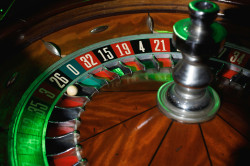
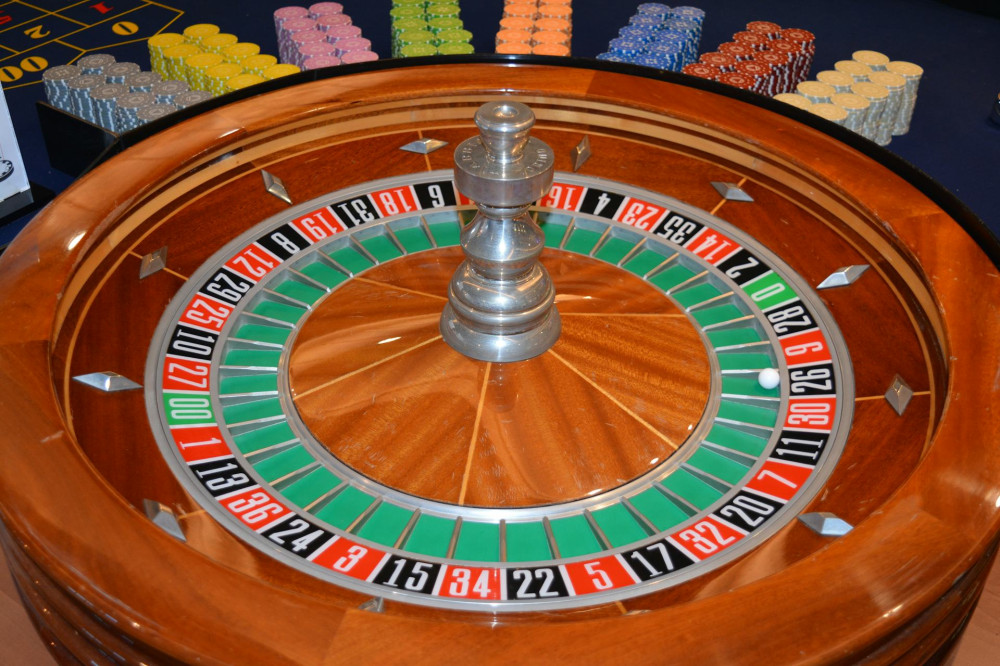
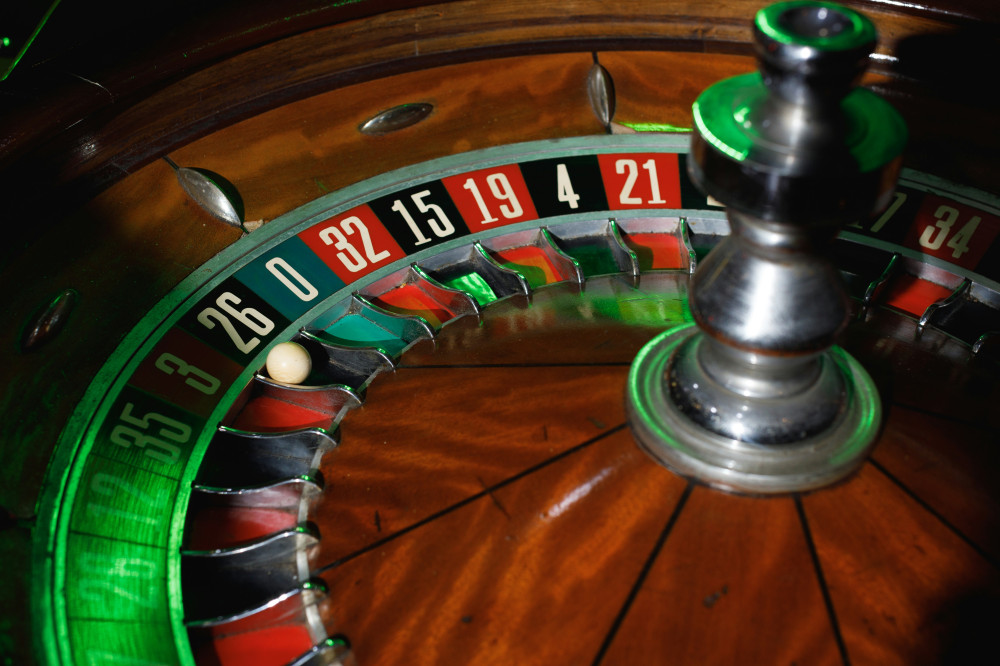
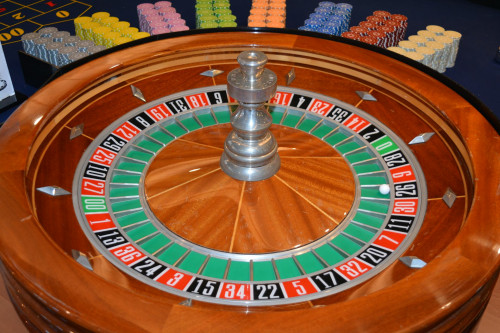
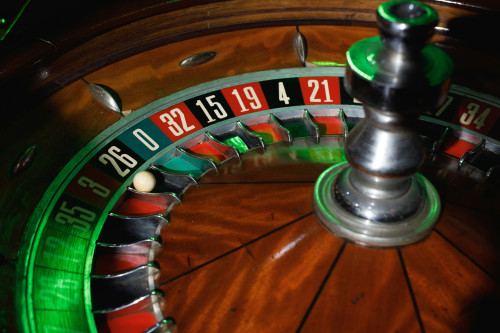
The earliest roulette wheels were handcrafted from wood and metal, requiring exceptional precision. The wheel had to spin smoothly, and the ball needed to move freely without being affected by imperfections. Even small variations in balance or tilt could alter the outcome, so the best wheels were made by skilled artisans with a deep understanding of mechanics and equilibrium.
In the 19th century, manufacturers began experimenting with new materials and improved bearings, which made the rotation more stable. It was also during this period that the French brothers François and Louis Blanc introduced a wheel with only one zero—an innovation that reduced the house edge and made the game more appealing to players. This version quickly became the European standard and remains the most common form of roulette today.
The Aesthetics and Symbolism of Design
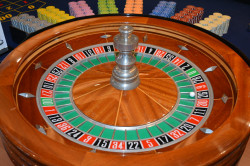
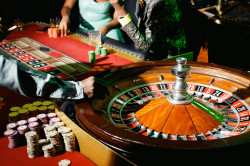
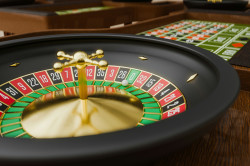
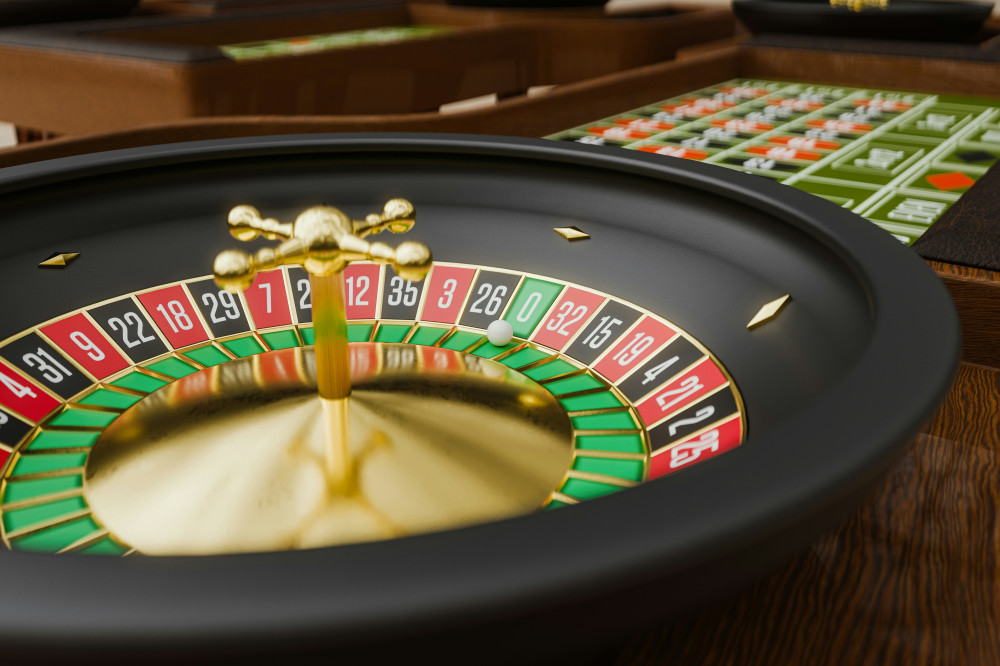
The design of the roulette wheel has always carried a special aesthetic appeal. The alternating red and black pockets, the golden numbers, and the smooth motion create a visual rhythm that feels almost hypnotic. In 19th-century casinos, the wheel was often placed at the center of the room as a focal point—a symbol of both luxury and fate.
The arrangement of numbers on the wheel is not random. It is carefully balanced to alternate between high and low, even and odd numbers, creating a sense of order within the chaos. This mathematical symmetry gives the game its unique tension between logic and luck—a quality that continues to attract both analytical thinkers and dreamers alike.
Roulette as a Cultural Phenomenon
Roulette quickly became more than just a game—it became a cultural icon. In the glittering casinos of Monte Carlo during the 1800s, the wheel came to represent modern leisure culture, where wealth, risk, and refinement intertwined. The game appeared in literature, film, and art as a metaphor for human destiny and the allure of chance.
When roulette crossed the Atlantic in the 19th century, it found a new home in the gambling halls of New Orleans and later in Las Vegas. American casinos introduced their own version of the wheel, adding a double zero to increase the house advantage. This “American roulette” became a staple of U.S. gaming culture, reflecting the country’s appetite for risk and innovation.
From Mechanical Craft to Digital Precision
Modern roulette wheels are technological marvels. They are manufactured with microscopic accuracy, and many casinos use sensors and cameras to monitor spins and ensure true randomness. In online casinos, the motion of the wheel is simulated through advanced algorithms that replicate the physics of a real ball in motion.
Despite these innovations, the essence of the game has changed very little. Whether the wheel is made of wood, steel, or pixels, roulette remains about the same timeless thrill: watching the ball dance between the pockets, waiting for it to settle on the winning number.
A Wheel That Keeps Turning
The roulette wheel is one of the most enduring symbols in the world of gaming. From Pascal’s scientific experiments to the glamour of Monte Carlo and the neon lights of Las Vegas, the wheel has retained its mystique. It represents both humanity’s fascination with chance and our ability to engineer devices that capture it.
The first roulette wheels may have been simple in construction, but they set in motion a technological and cultural evolution that continues to spin to this day.
Læs også: