Risk and Reward: How to Evaluate the Odds in Different Casino Games

Risk and Reward: How to Evaluate the Odds in Different Casino Games
When you step into a casino—whether in Las Vegas or online—it’s easy to get swept up in the lights, sounds, and excitement. But behind the entertainment lies a world of math and probability, where the house always has an edge. To play responsibly and with realistic expectations, it’s important to understand how risk and reward work in different games. Here’s how to evaluate your chances—and why some games offer better odds than others.
What Does “House Edge” Mean?
Every casino game is built with a built-in advantage for the operator, known as the house edge. This is the percentage of all bets that the casino expects to keep over the long run. The lower the house edge, the better your chances as a player.
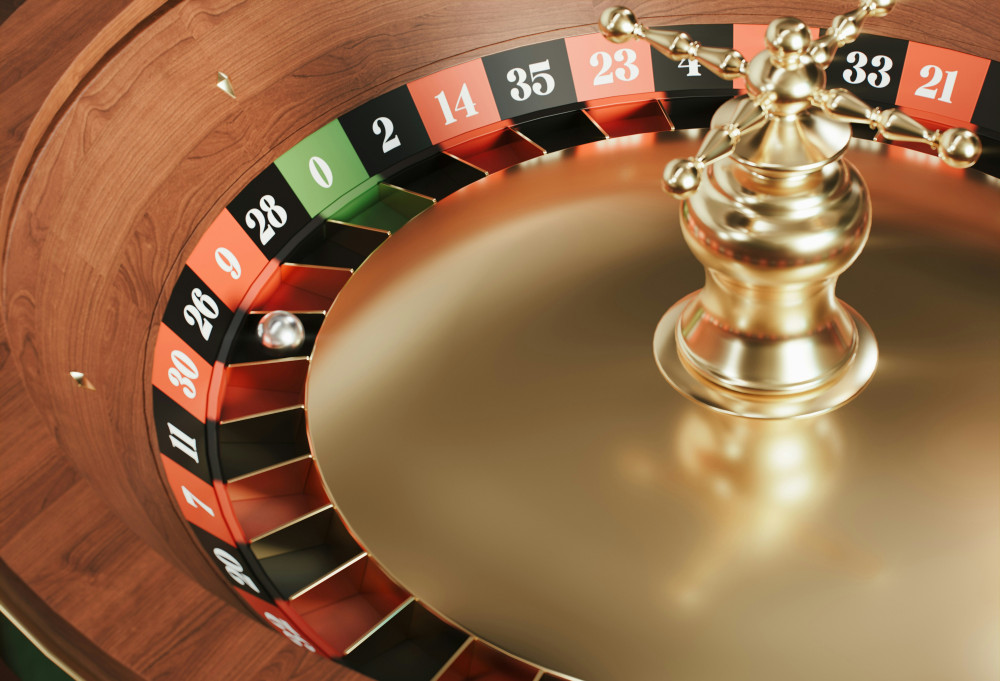
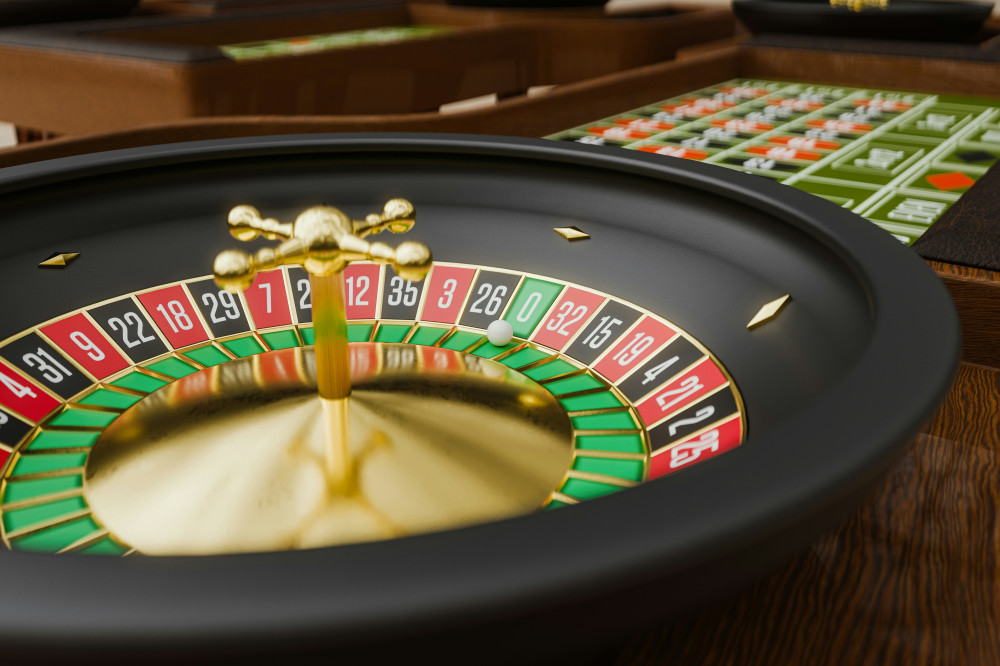
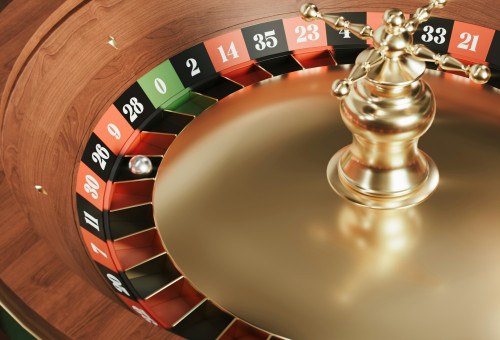
For example, European roulette has a house edge of about 2.7%, while American roulette—common in U.S. casinos—has a higher edge of around 5.3% because of the extra double zero on the wheel. That means that, on average, you’ll lose about $5.30 for every $100 wagered over time.
Low-Risk Games – Smaller Wins, Better Odds
Some casino games give you relatively good chances of winning, though the payouts are smaller. These are ideal for players who want longer playtime and less volatility in their bankroll.
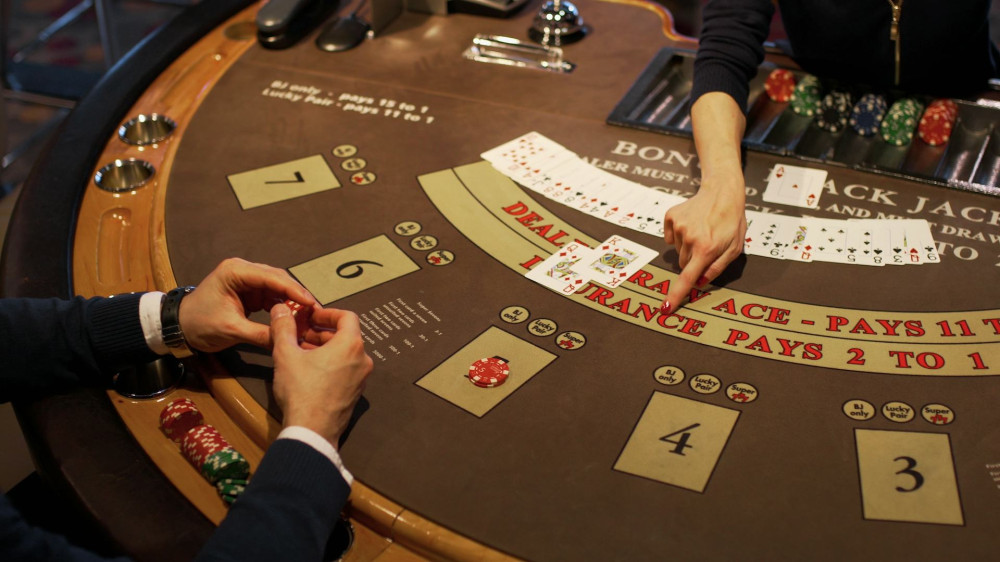
- Blackjack – One of the most favorable games for players when played with basic strategy. The house edge can drop to around 0.5%. Success depends on knowing when to hit, stand, split, or double down.
- Baccarat – A simple game where you can bet on either the player or the banker. Betting on the banker gives the house an edge of about 1%.
- Video Poker – Combines luck and strategy. Variants like “Jacks or Better” can offer nearly even odds if you play optimally.
These games don’t require advanced skills, but understanding basic probabilities and strategies can make a big difference in your results.
High-Risk Games – Big Wins, Long Odds
Other games are designed for excitement and the potential for large payouts—but with much lower chances of winning. They’re thrilling, but also more unpredictable.
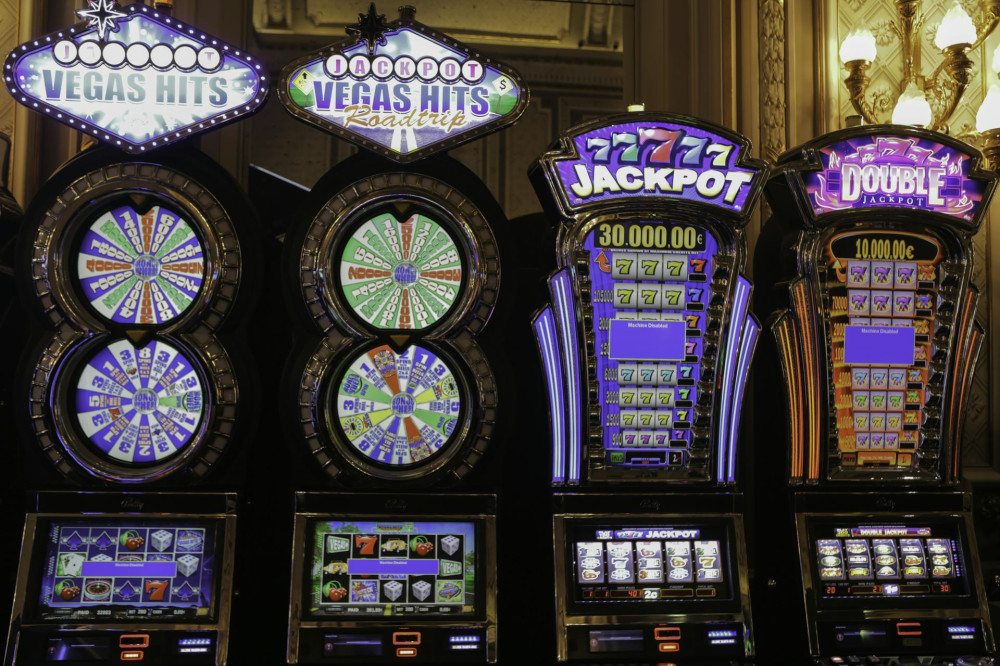
- Slot Machines – The most popular casino games in the U.S., but also among the most variable. The return to player (RTP) typically ranges from 90% to 97%. The lower the RTP, the higher the house edge.
- Roulette with High Payouts – Betting on a single number can pay 35 to 1, but your chance of hitting it on an American wheel is just 1 in 38.
- Progressive Jackpots – These games can offer life-changing prizes, but the odds of hitting the jackpot are extremely low. Most players play for the thrill rather than realistic profit.
These games can be fun in moderation, but they should be viewed as entertainment, not as a way to make money.
Understanding Variance and Volatility
Another key concept in casino gaming is variance or volatility—a measure of how much your results can fluctuate. A low-variance game offers frequent but smaller wins, while a high-variance game may produce rare but large payouts.
If you prefer steady play and smaller swings, choose low-variance games. If you’re chasing big wins and can handle dry spells, high-variance games might be more exciting.
Strategy and Responsible Play
Even though some games offer better odds than others, no strategy can eliminate the house edge entirely. The most important thing is to play with awareness of the risks and to set clear limits for your time and money.
A few practical tips:
- Set a budget and stick to it—win or lose.
- Treat gambling as entertainment, not as an investment.
- Take breaks, and stop when the fun fades.
- Use bonuses wisely—they can extend your playtime but don’t change the odds.
How to Evaluate Your Chances
Before you sit down at a table or spin the reels, ask yourself three questions:
- What is the house edge in this game?
- How high is the variance—do I want frequent small wins or rare big ones?
- How much control do I have—does skill matter, or is it pure luck?
Knowing the answers helps you choose games that fit your playing style and risk tolerance, making the experience more enjoyable and responsible.
Læs også:


Play with Knowledge, Not Hope
Casino games are ultimately about probabilities, not luck in the long run. The better you understand the mechanics behind the games, the more realistic your expectations—and the more enjoyable your experience will be, win or lose.
Playing with knowledge doesn’t guarantee a win every time, but it ensures you stay in control and get the most out of the entertainment.
Læs også: