Safety and Responsibility – Two Sides of the Same Coin in Online Casino Gaming

Safety and Responsibility – Two Sides of the Same Coin in Online Casino Gaming
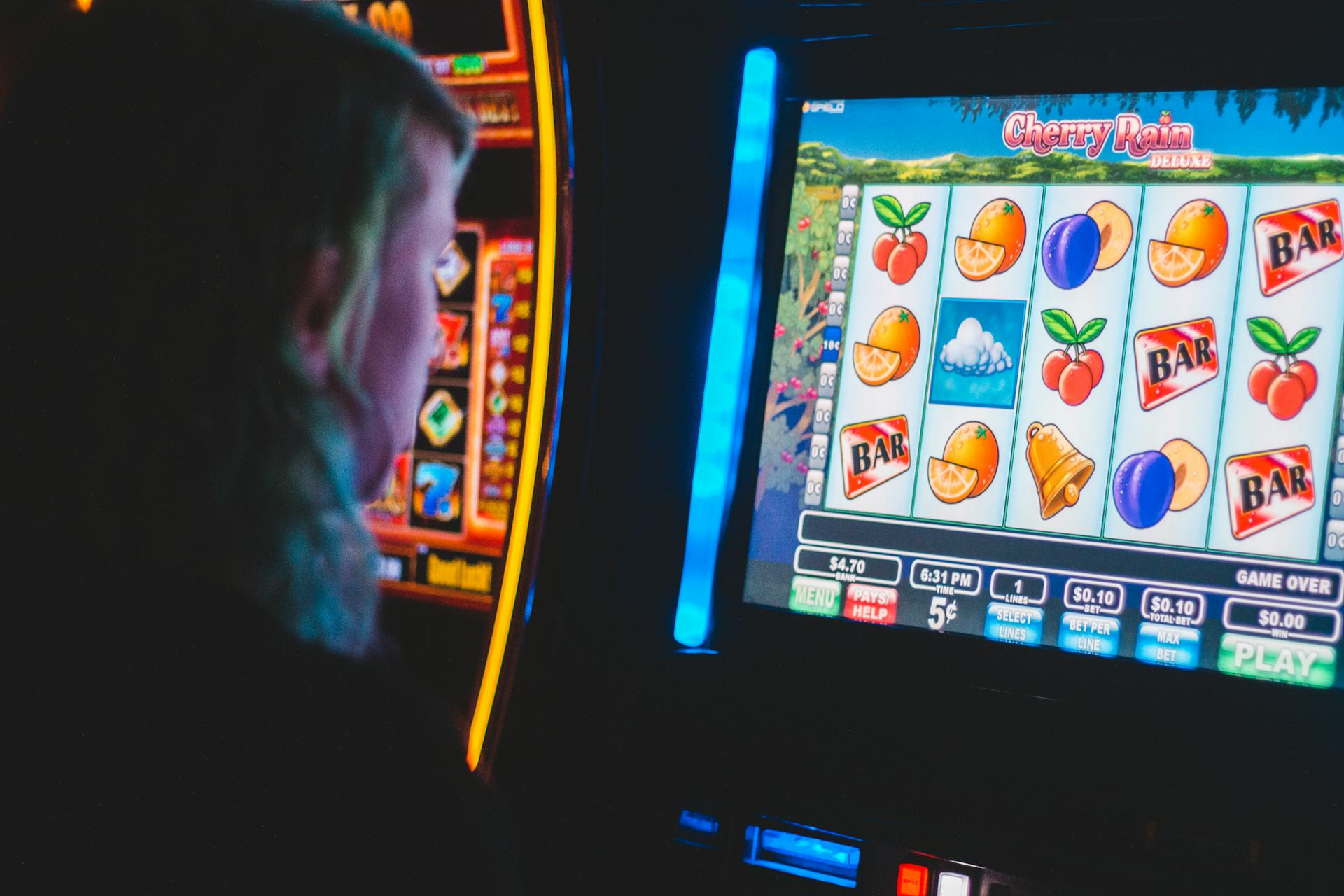
Online casinos have become a major part of the entertainment landscape in the United States. With just a few taps on a phone or clicks on a computer, players can access everything from classic table games to modern video slots—anytime, anywhere. But with convenience comes responsibility. Behind the excitement lies a need for awareness and care. Safety and responsibility are two sides of the same coin when it comes to online casino gaming.
Safety as the Foundation of Trust
In the digital world, safety means protecting both your personal and financial information. A trustworthy online casino should hold a valid license from a recognized authority, such as the New Jersey Division of Gaming Enforcement or the Pennsylvania Gaming Control Board. These licenses ensure that the casino operates under strict regulations, offering fair play, data protection, and transparency.
Players should always check that the website uses secure encryption (https) and that payments are processed through reputable methods like credit cards, PayPal, or other verified payment systems. It’s also wise to use strong, unique passwords and avoid sharing personal details on unsecured platforms. By taking these precautions, players can protect themselves from fraud and identity theft—and focus on what gaming is meant to be: entertainment.
Responsibility – Knowing Your Limits
While safety focuses on technical protection, responsibility is about behavior. The thrill of the game can be intense, but responsible gaming means staying in control. This includes setting time and deposit limits, taking regular breaks, and never gambling with money you can’t afford to lose.
Most licensed U.S. online casinos provide tools to help players manage their activity—such as self-exclusion options, spending trackers, and reminders to take breaks. Using these tools isn’t a sign of weakness; it’s a sign of self-awareness and discipline. Responsible gaming ensures that the fun stays fun.
Gaming as Entertainment, Not Income
A key part of responsible play is viewing gambling as a form of entertainment, not a way to make money. Wins are possible, but losses are more likely. When players approach gaming with the right mindset—playing for enjoyment rather than profit—the experience becomes healthier and more sustainable.
It can help to set a specific entertainment budget, just as you would for a night out or a concert. Once that budget is spent, it’s time to stop. This approach keeps gaming within safe boundaries and prevents it from affecting your finances or daily life.
Help and Support When Gaming Becomes a Problem
Even with the best intentions, gambling can sometimes get out of hand. If you find yourself thinking about gaming too often or struggling financially because of it, it’s important to seek help early. In the U.S., there are several free and confidential resources available, such as the National Problem Gambling Helpline (1-800-GAMBLER), which offers 24/7 support and counseling.
Reaching out for help is a sign of strength, not failure. Many people who have faced gambling problems say that talking to someone was the first step toward regaining balance and control.
Læs også:



A Shared Responsibility Between Players and Operators
Safety and responsibility are not just individual duties—they’re shared commitments between players and casino operators. Operators must provide clear information, fair terms, and effective tools for self-control. Players, in turn, must take ownership of their choices and set personal boundaries.
When both sides uphold their responsibilities, online gaming can remain what it’s meant to be: a fun, engaging pastime where excitement and mindfulness go hand in hand.
Læs også: