Casinos as Local Growth Engines: Tourism and Urban Development in Smaller Regions

Casinos as Local Growth Engines: Tourism and Urban Development in Smaller Regions
Across many smaller American towns and regions, where manufacturing has declined and younger generations move toward metropolitan centers, communities are searching for new ways to spark growth and vitality. One of the more debated yet often effective tools has been the establishment of casinos. For some, casinos symbolize risk and excess; for others, they represent opportunity—an engine for tourism, jobs, and urban renewal. But how exactly do casinos function as local growth drivers, and what lessons can be drawn from places where they have succeeded?
From Industry to the Experience Economy
As traditional industries such as manufacturing and agriculture have diminished in many parts of the United States, the experience economy has become a key source of local development. Casinos play a distinctive role in this shift because they combine entertainment, dining, culture, and hospitality into a single destination.
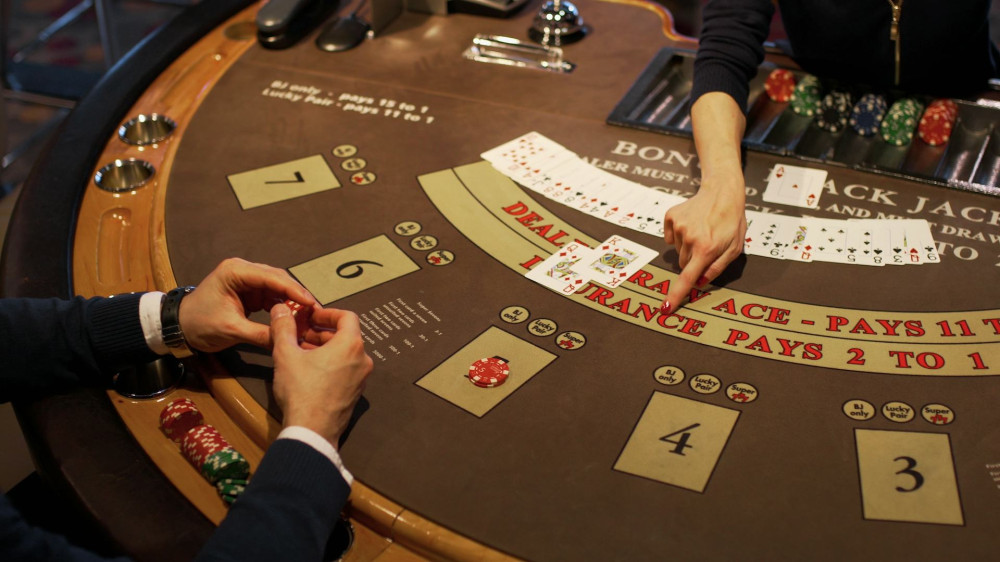
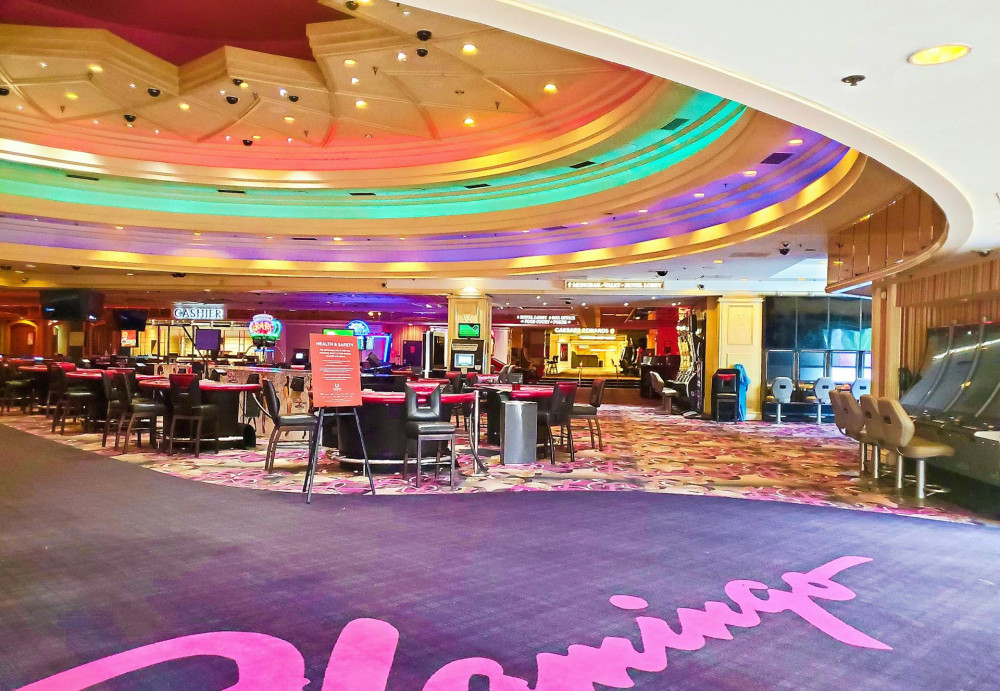
A casino rarely stands alone. It attracts not only gamblers but also visitors seeking a complete experience—hotels, restaurants, concerts, and events. This means that the economic benefits extend beyond the casino floor, supporting local businesses such as hotels, cafés, retail shops, and transportation services. In regions that have struggled to reinvent themselves, this diversification can be a lifeline.
Tourism as a Catalyst
Casinos can serve as magnets for tourism, especially in areas that already offer natural beauty, cultural attractions, or recreational opportunities. A casino can be the deciding factor that convinces visitors to stay an extra night or choose one town over another.
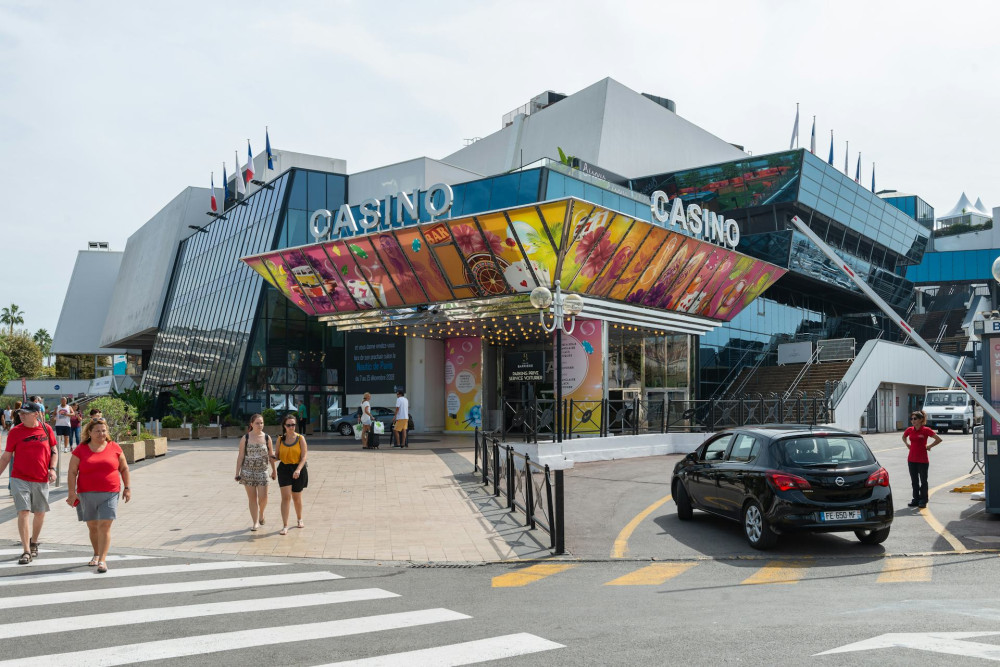
Examples can be found across the country. In Deadwood, South Dakota, legalized gaming helped revive a historic mining town and fund preservation efforts. In Tunica, Mississippi, casinos transformed a rural area into a regional entertainment hub. And in upstate New York, new casino resorts have been positioned as anchors for broader tourism strategies, drawing visitors who also explore nearby wineries, parks, and cultural sites.
Jobs and Local Skill Development
Casinos create a wide range of employment opportunities—from dealers and security staff to chefs, technicians, and event planners. This diversity of roles means that jobs are available across education levels, benefiting both young people entering the workforce and experienced professionals seeking stable employment.
Many casino operators also partner with local colleges and workforce programs to provide training and internships. These collaborations help strengthen the local labor market, build transferable skills, and encourage residents to stay and grow within their communities.
Læs også:


Urban Development and Infrastructure Investment
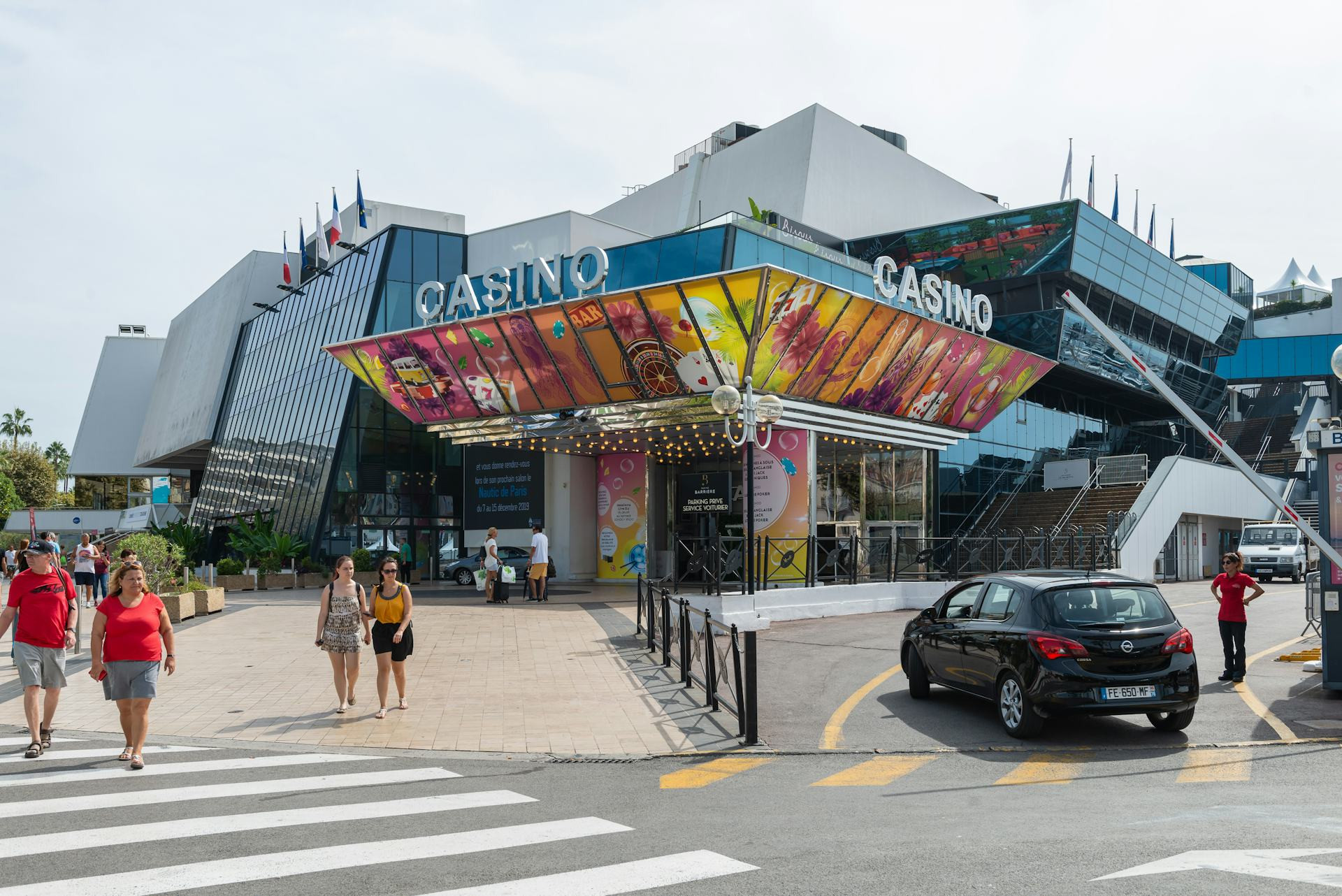
The arrival of a casino often triggers broader investment in infrastructure and urban renewal. New parking facilities, improved lighting, renovated buildings, and upgraded public transportation are common side effects. These improvements can enhance the overall appeal of a downtown area, making it more attractive not only to tourists but also to new businesses and residents.
In some cases, casinos have been integrated into historic properties, giving new life to old landmarks. This blend of preservation and modernization can help a community maintain its character while embracing new economic opportunities.
Challenges and the Balance Between Growth and Responsibility
While casinos can generate growth, they also bring challenges. Gambling addiction, social inequality, and the risk that profits concentrate among a few stakeholders are real concerns. Effective regulation and responsible management are therefore essential.
In the United States, gaming is heavily regulated at both state and tribal levels, and many operators have adopted responsible gaming programs, community partnerships, and transparency initiatives. Experience shows that when casinos are integrated into a broader development plan—rather than standing as isolated enterprises—their impact is more sustainable and equitable.
The Future of Casinos – Beyond Gambling
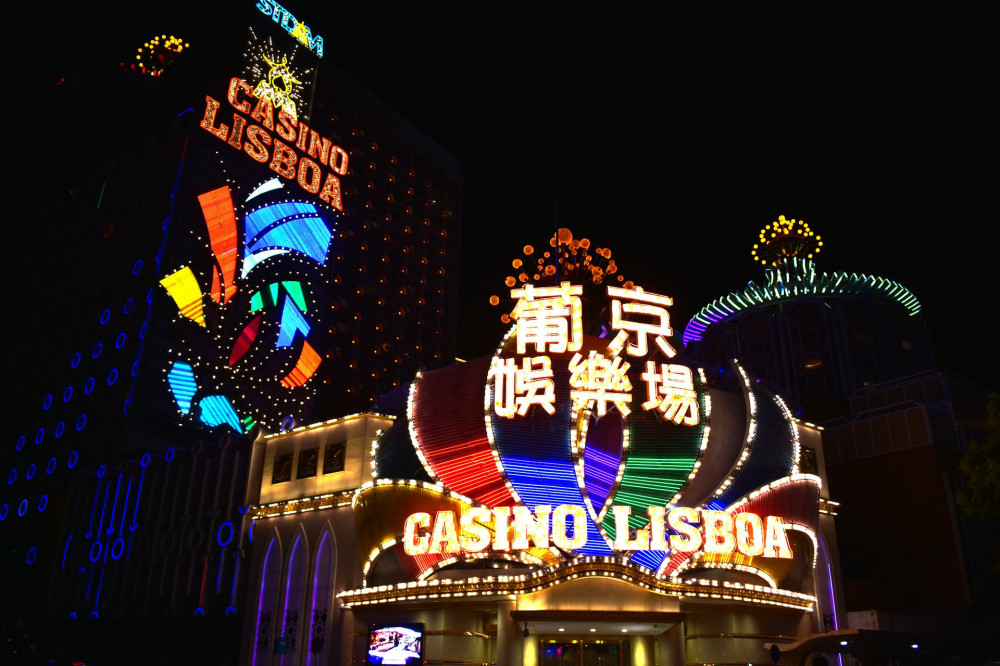
Modern casinos are evolving beyond traditional gaming halls. Increasingly, they are becoming multi-purpose entertainment centers that host concerts, culinary festivals, art exhibitions, and digital gaming experiences. This diversification attracts a wider audience and strengthens their role as community gathering places.
For smaller regions, this combination of entertainment, culture, and commerce can inject new energy and pride. When thoughtfully planned and responsibly managed, a casino can become more than a place to play—it can be a symbol of renewal, resilience, and local identity.
Læs også: