The Casino as Entertainment: Changing Attitudes, New Opportunities

The Casino as Entertainment: Changing Attitudes, New Opportunities
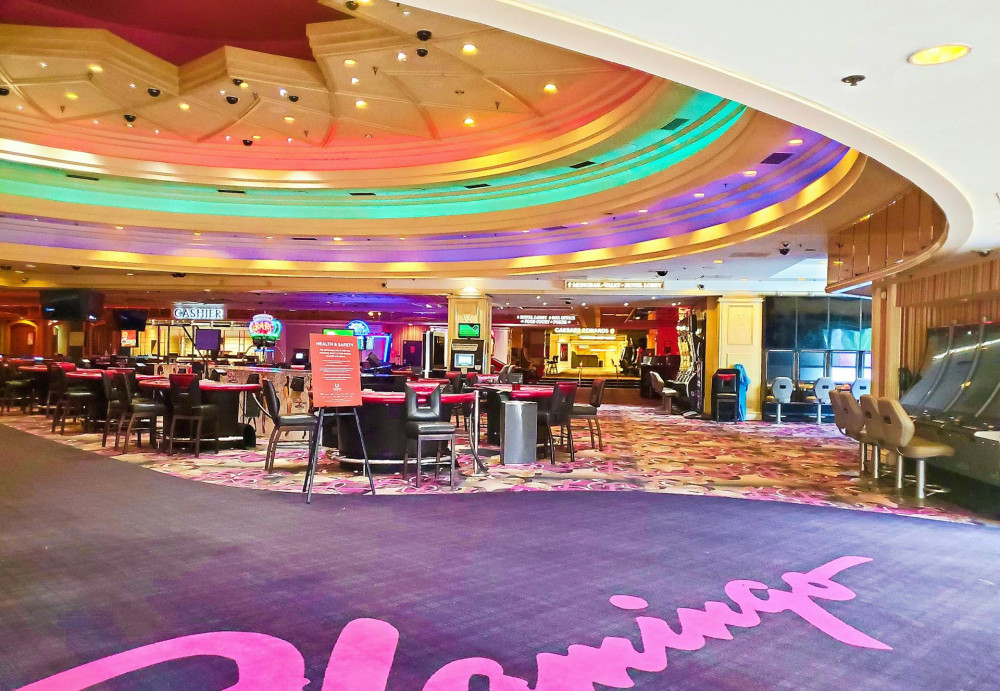
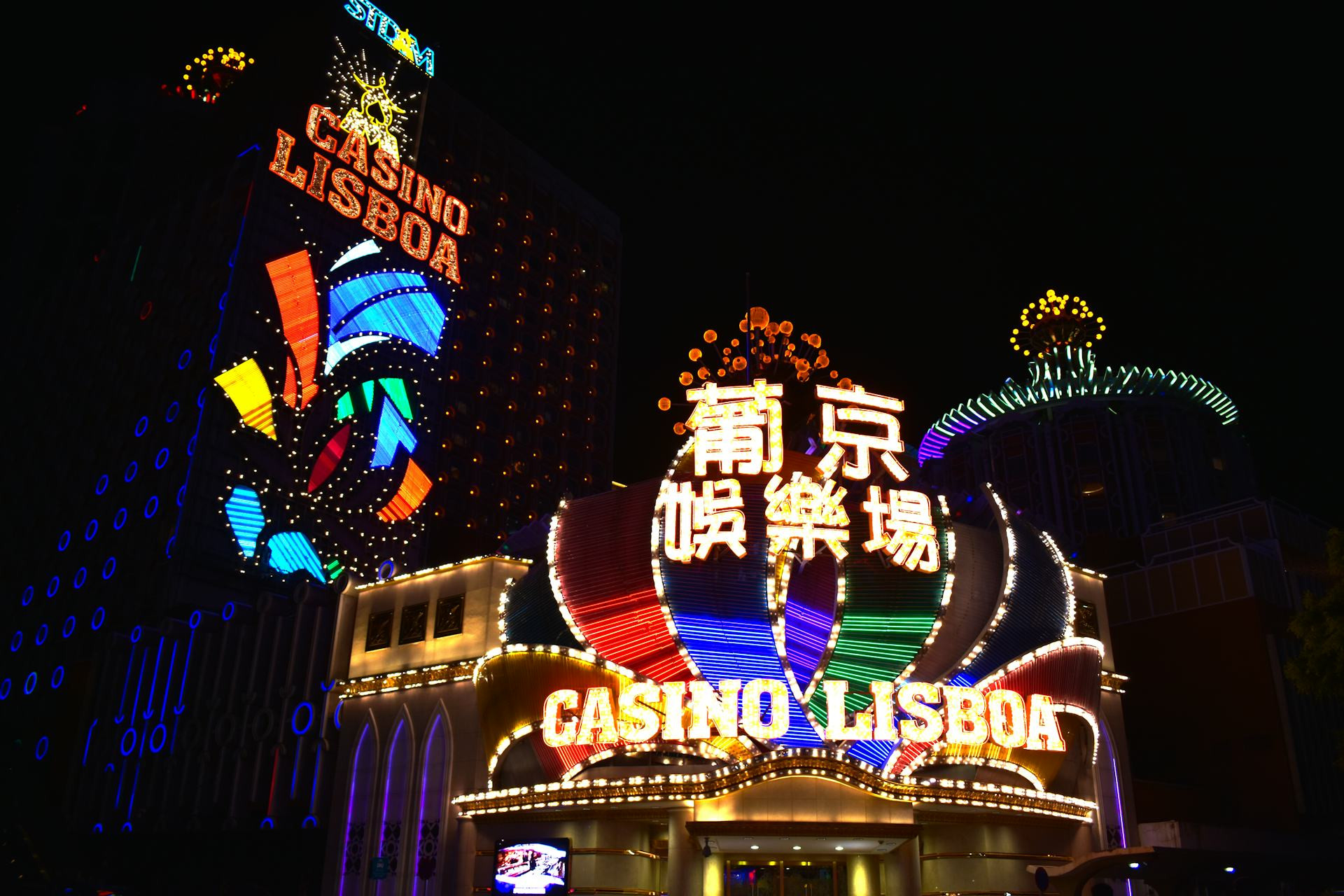
For decades, casinos have carried a mix of allure and controversy. To some, they represent glamour, excitement, and social connection; to others, they evoke risk and excess. But as entertainment habits evolve and technology reshapes how we play, the casino is taking on a new role in American culture. It’s no longer just about gambling—it’s about experience, community, and responsibility.
From Gaming Floors to Digital Platforms
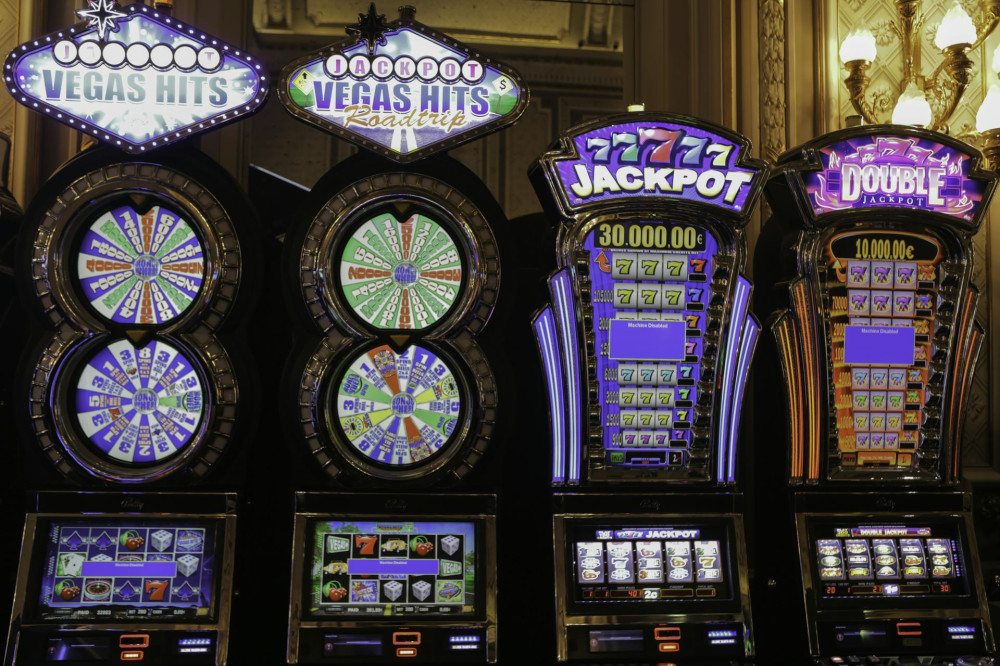
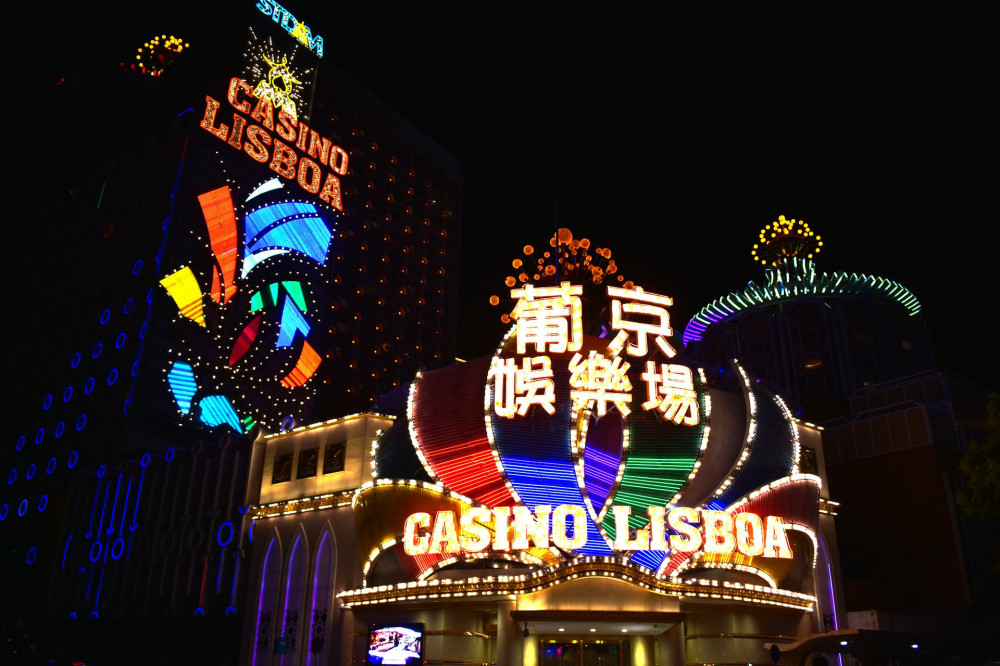
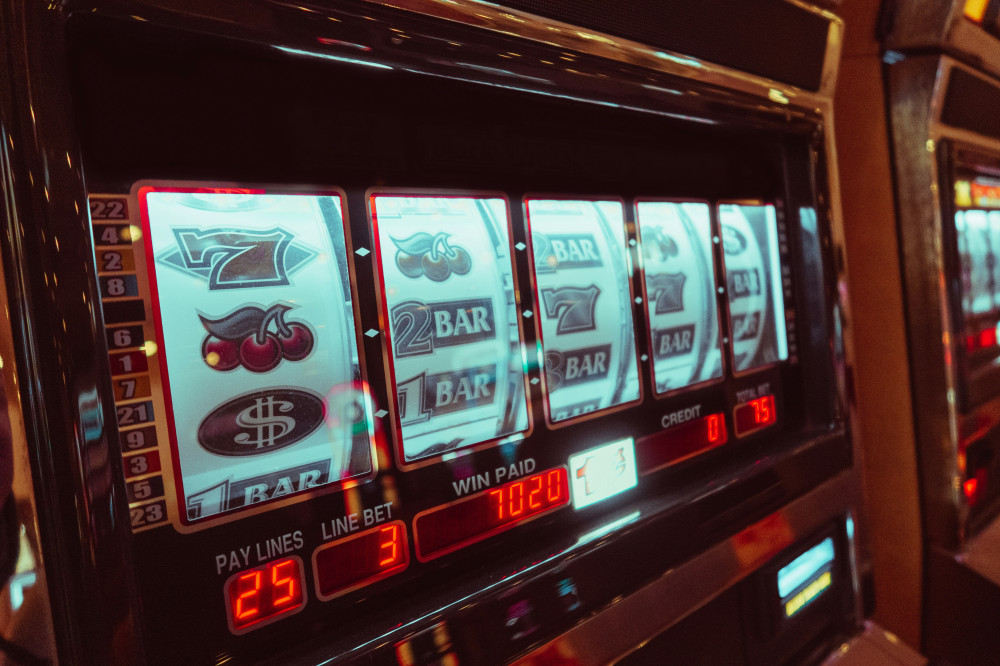
Once, the casino was a physical destination—often tied to Las Vegas, Atlantic City, or tribal resorts across the country. Today, it’s increasingly a digital experience. Online platforms and mobile apps have made it possible to play anytime, anywhere, transforming the very nature of casino entertainment.
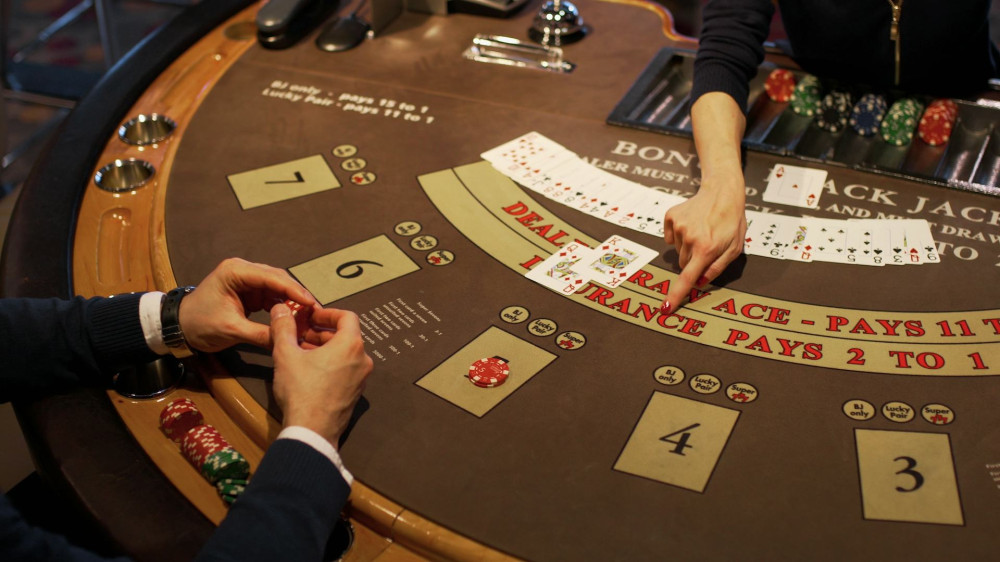
Modern online casinos offer far more than traditional games like blackjack or roulette. They feature live dealers, interactive tournaments, and themed experiences that borrow from video game design. For many Americans, casino gaming has become another form of digital entertainment—something to enjoy casually, much like streaming or online gaming.
Læs også:



A New Generation of Players
Younger generations approach gaming differently than their parents did. They’ve grown up with esports, mobile games, and social media, where play and community are deeply intertwined. For them, the thrill of casino gaming often lies in the experience itself—the social interaction, the design, the sense of immersion—rather than the pursuit of winnings.
Casinos have responded by integrating gamified features, loyalty systems, and social tools that make the experience more engaging. This shift marks a move away from “playing to win” toward “playing for the experience.”
Shifting Public Perceptions
Public attitudes toward casinos in the United States have also evolved. Once viewed primarily as places of vice, casinos are now recognized as legitimate entertainment venues and economic contributors. The expansion of regulated gaming—both in physical locations and online—has brought greater transparency and oversight to the industry.
In many states, casino revenues support public education, infrastructure, and community programs. Tribal casinos, in particular, have become vital sources of economic development and cultural pride. As regulation strengthens and responsible gaming initiatives expand, trust between operators and players continues to grow.
Responsibility as Part of the Experience
One of the most significant changes in the industry is the emphasis on responsible gaming. Modern casinos—both brick-and-mortar and online—are investing in tools and programs that help players set limits, access support, and make informed choices.
Features like deposit caps, time reminders, and self-exclusion options are becoming standard. At the same time, awareness campaigns and partnerships with mental health organizations are helping to destigmatize problem gambling. The message is clear: entertainment should be exciting, but it should also be safe.
The Casino as an Entertainment Universe
As the boundaries between gaming, entertainment, and technology blur, the casino is becoming part of a broader experience economy. Many resort casinos now combine gaming with fine dining, live music, and immersive events. Online platforms collaborate with popular brands and game developers to create themed environments that feel more like interactive worlds than simple gambling sites.
This evolution is attracting a wider audience—not just seasoned players, but also those seeking new forms of leisure and social engagement. The focus is increasingly on atmosphere, design, and storytelling—not just luck.
An Industry in Motion
The casino industry is in the midst of transformation. Emerging technologies like virtual reality, artificial intelligence, and blockchain are already influencing how Americans play and interact. The line between gaming, sports, and entertainment continues to fade, creating new hybrid experiences that appeal to diverse audiences.
The casino of the future will likely be more personalized, more social, and more responsible. It will still offer the thrill of chance—but in a way that reflects a modern understanding of entertainment: one that values experience, connection, and integrity as much as the game itself.
Læs også: