Different Bingo Variations – and How They Affect Your Odds of Winning

Different Bingo Variations – and How They Affect Your Odds of Winning
Bingo has long been a favorite pastime across the United States — from church basements and community centers to online gaming platforms. But bingo isn’t just one single game. There are several variations, each with its own rules, pace, and odds of winning. Understanding these differences can help you choose the version that best fits your playing style — and maybe even improve your chances of taking home a prize.
The Classic Versions: 75-Ball, 80-Ball, and 90-Ball Bingo
The three most common bingo formats are 75-ball, 80-ball, and 90-ball bingo. They differ mainly in the number of squares on the card and the ways you can win.
-
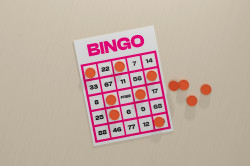
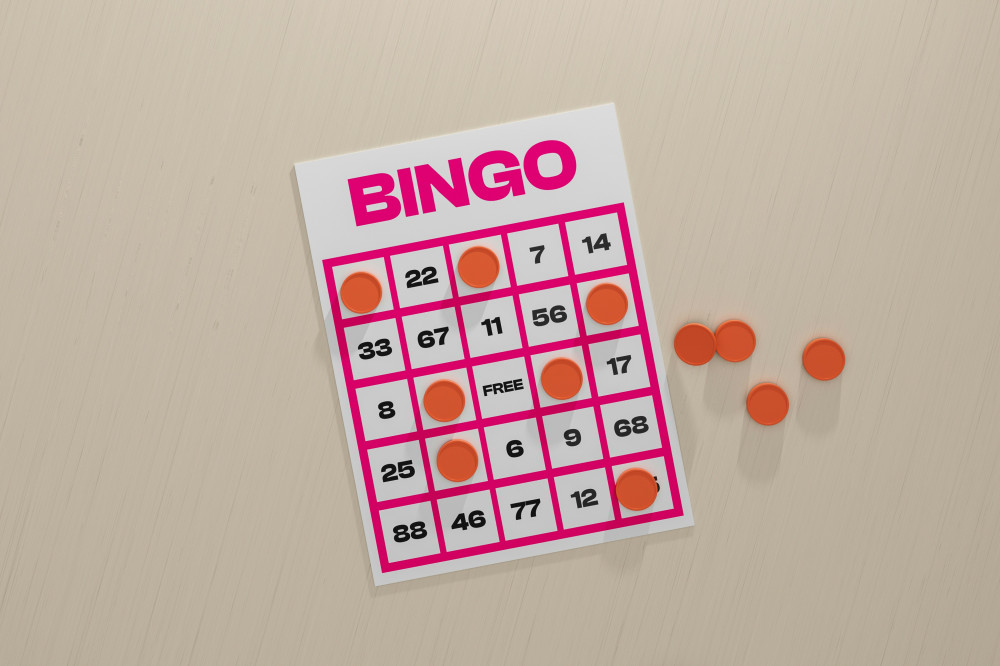
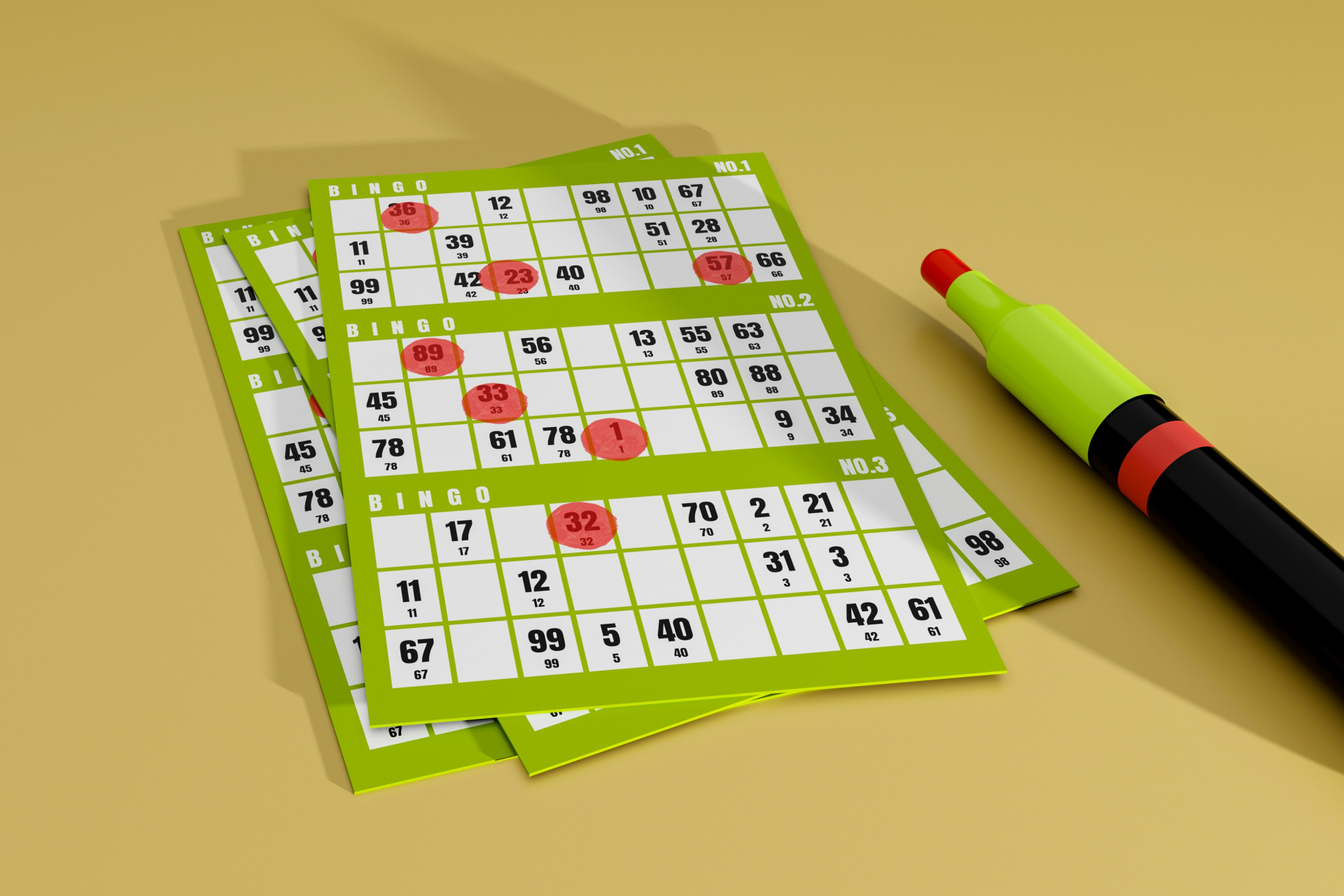
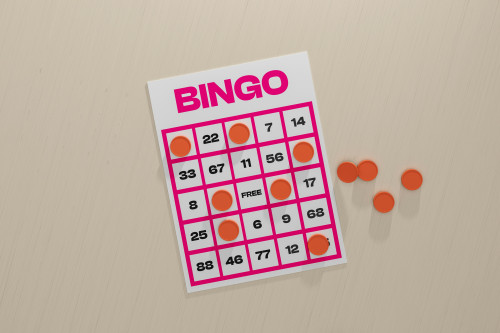
75-ball bingo is the traditional American version. The card has a 5x5 grid with numbers from 1 to 75. Players win by completing a specific pattern — such as a line, an X, or a full card. Odds of winning: The more complex the pattern, the longer the game lasts and the fewer winners there are. That means the prizes are often larger, but harder to win.
-
80-ball bingo is a newer format, often found online. The card has 4 rows and 4 columns, with numbers from 1 to 80. Winning patterns can include diagonals, corners, or full rows. Odds of winning: This version tends to move faster and offers more frequent, smaller prizes — perfect for players who enjoy quick rounds and steady action.
-
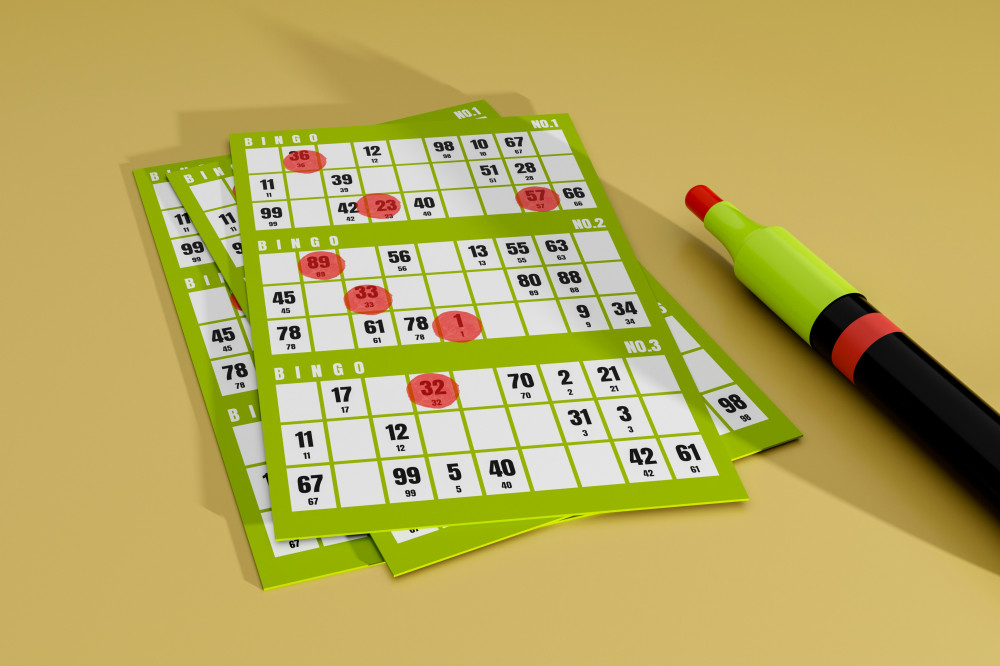
90-ball bingo is the version most popular in the UK and Australia, but it’s also gaining traction in U.S. online bingo rooms. The card has 3 rows and 9 columns with 15 numbers in total. There are usually three prizes: one line, two lines, and a full house. Odds of winning: Because there are often more players per game, your chance of winning a single prize is smaller — but there are multiple prizes to aim for.
Læs også:


Online Bingo – Speed and Variety
Online bingo has introduced even more variations. Some platforms offer speed bingo, where numbers are called rapidly, while others feature themed bingo, combining the game with quizzes, mini-games, or chat-based challenges.
Online games usually have lower buy-ins and more rounds per hour, allowing you to play many games in a short time. Odds of winning: The odds in each individual game are similar to traditional bingo, but since you can play more games quickly, your overall chance of winning something increases — though so does the risk of losing more if you’re not careful with your budget.
Number of Cards and Basic Strategy
While bingo is largely a game of chance, you can slightly influence your odds through the number of cards you play and when you play.
- Playing multiple cards increases your chances of matching the called numbers, but it also requires more focus. Online bingo makes this easier, as the system automatically marks your numbers, allowing you to manage several cards at once.
- Timing matters too. Games with fewer participants — for example, during off-peak hours — mean less competition and a higher probability that you’ll win a prize.
How the Variation Affects the Prizes
In general, the more players and possible combinations there are, the lower your chance of winning — but the prizes tend to be larger. In 75-ball bingo, you’ll often find many small prizes, while 90-ball bingo usually offers fewer but bigger payouts. 80-ball bingo sits somewhere in between, appealing to players who like a balance between speed and reward potential.
Choosing the Right Version for You
Picking the right bingo type isn’t just about the odds — it’s also about the experience you want:
- Want fast-paced games and frequent small wins? Try 80-ball or speed bingo.
- Prefer a classic atmosphere and bigger prizes? 90-ball bingo might be your best bet.
- Enjoy creative patterns and variety? 75-ball bingo offers the most diverse gameplay.
No matter which version you choose, remember that bingo is meant to be fun. Set a spending limit, play responsibly, and enjoy the thrill of the game — win or lose.
Læs også: