From Lottery to Bingo: The European Origins and Evolution of the Game

From Lottery to Bingo: The European Origins and Evolution of the Game
Today, bingo is known across the United States as a friendly, social game that brings people together in church basements, community centers, and online chat rooms. But behind the familiar cards and shouted numbers lies a long and fascinating history that stretches back several centuries. From early European lotteries to the modern American pastime, bingo’s story reflects changes in society, technology, and culture.
From Italian Lottery to French Parlors
The roots of bingo can be traced to 16th-century Italy, where a state-run lottery called Lo Giuoco del Lotto d’Italia became a popular form of entertainment among both nobles and common citizens. Players matched numbers drawn at random with those printed on their cards—a simple concept that would prove remarkably enduring.
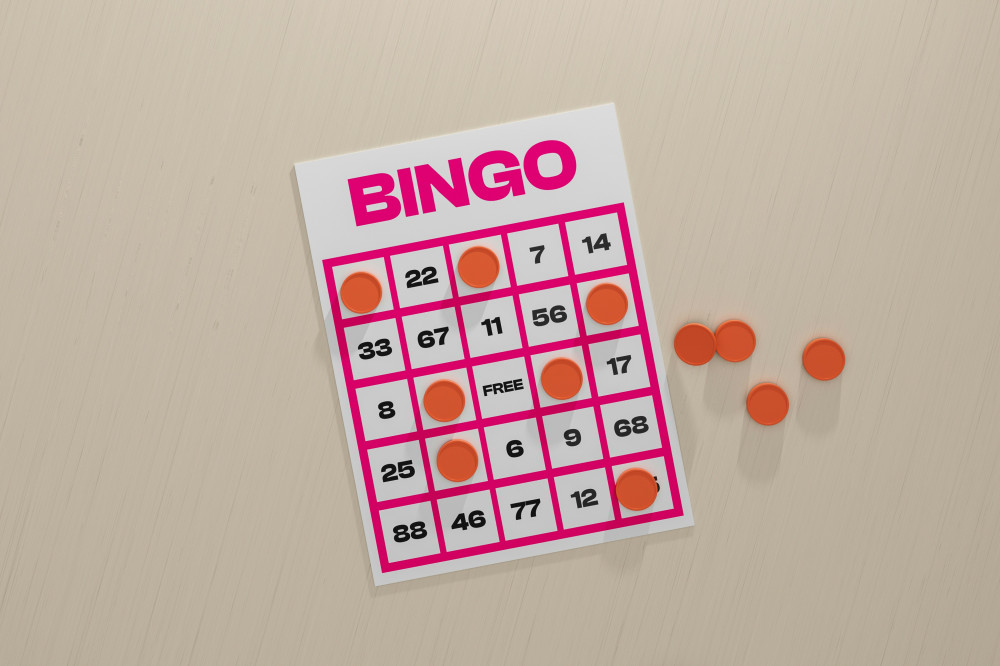
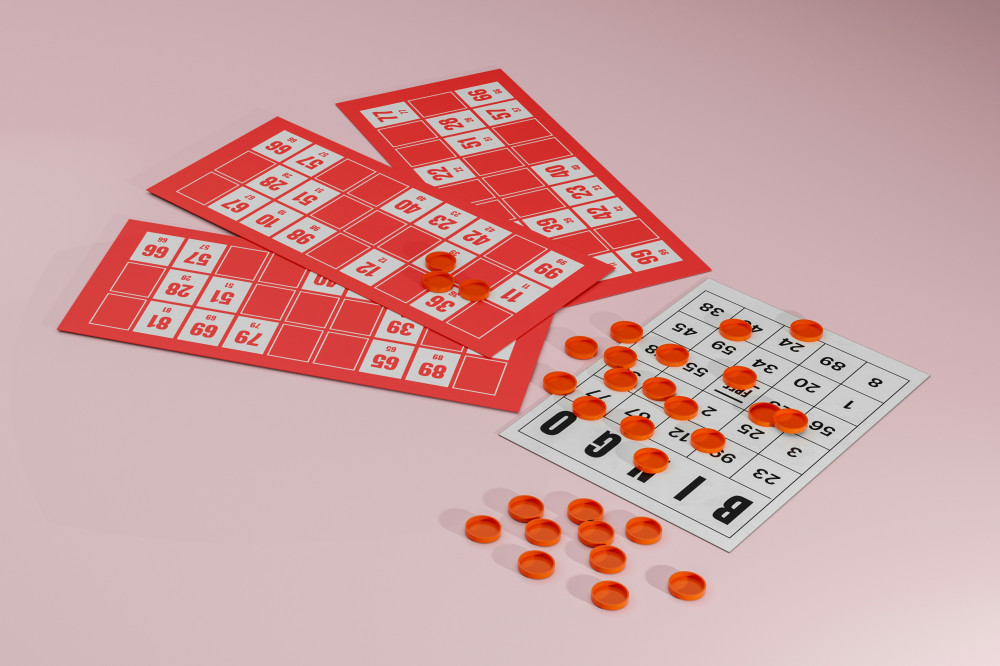
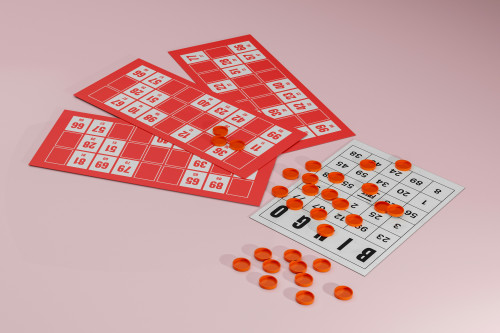
By the 18th century, the game had spread to France, where it evolved into Le Lotto, a parlor game favored by the upper classes. The French version introduced a more structured layout: cards arranged in rows and columns, with players marking off numbers as they were called. This format brought the game closer to what we now recognize as bingo.
Germany’s Educational Twist
In the 19th century, the game found a new purpose in Germany—not as gambling, but as a teaching tool. Educators used versions of the game to help children learn numbers, spelling, and geography. This educational adaptation made the game accessible to a wider audience and demonstrated its potential as both fun and instructive.
From “Beano” to “Bingo” in America
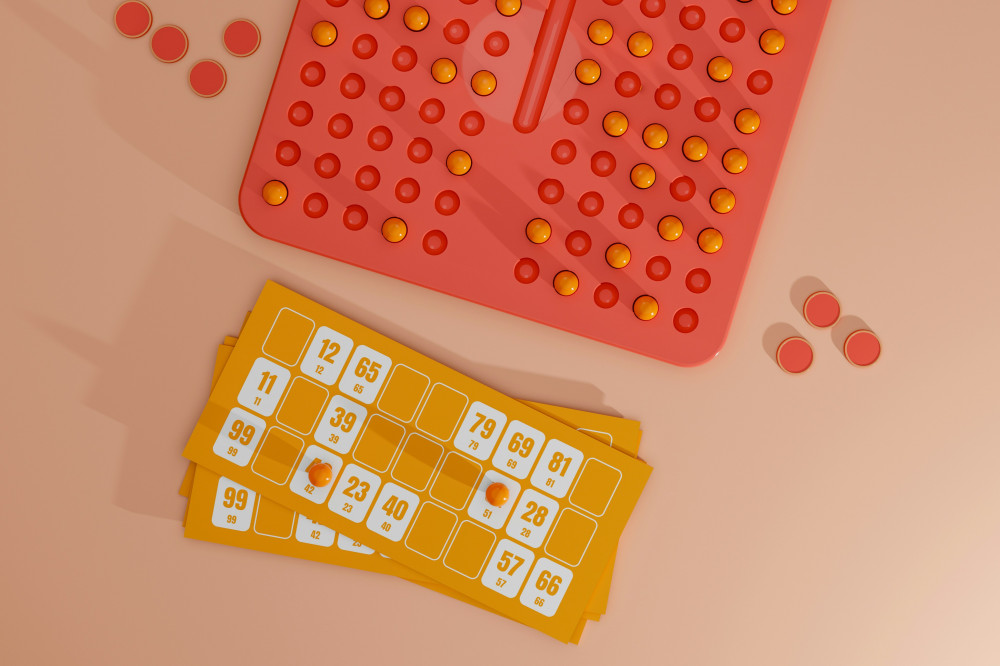
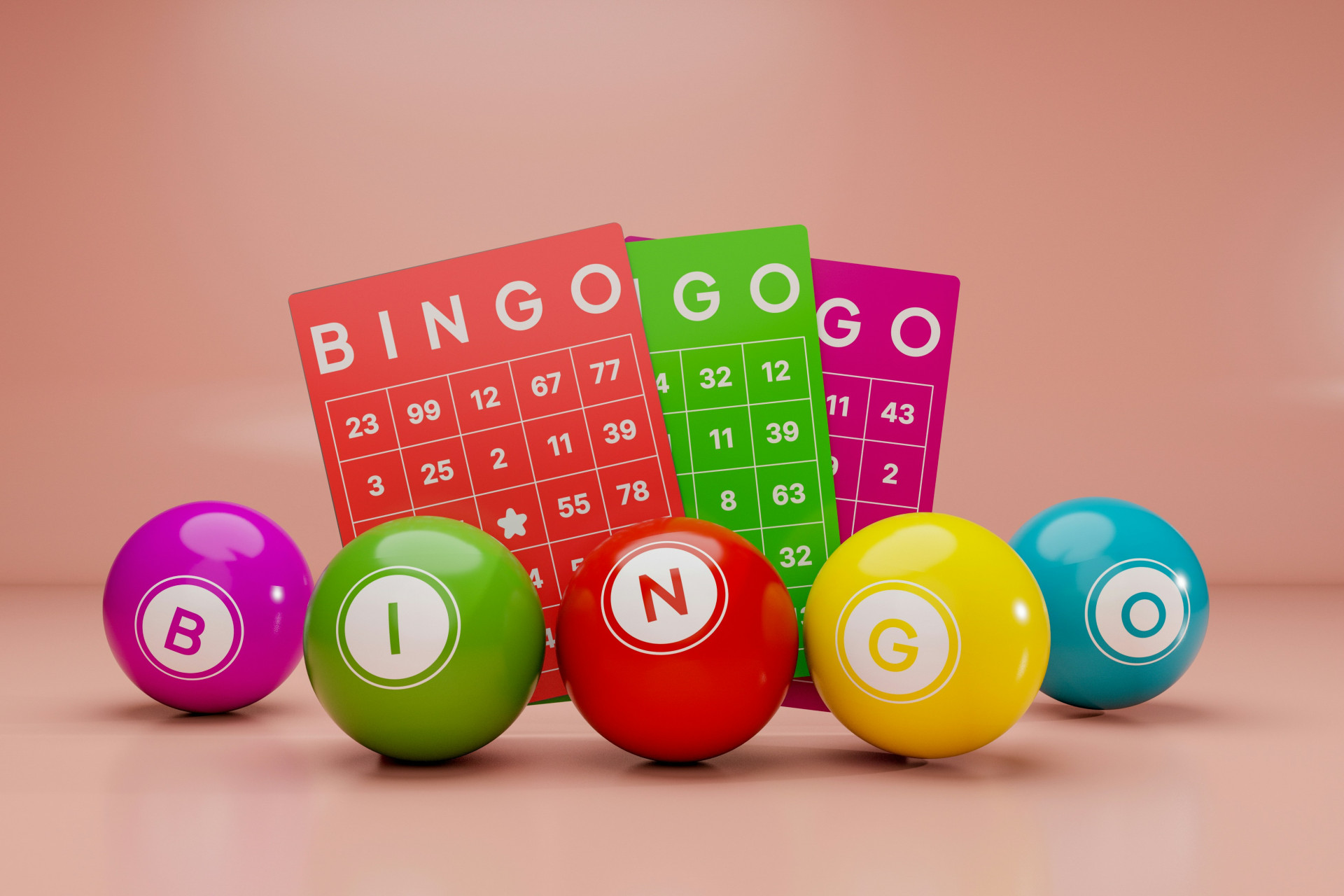
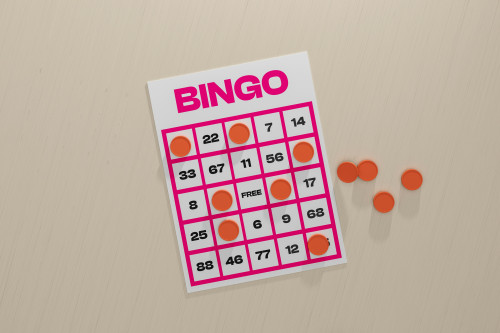
The modern version of bingo was born in the United States in the early 20th century. Traveling toy salesman Edwin S. Lowe encountered a game called “Beano” at a carnival in Georgia, where players used dried beans to cover numbers on their cards. When one excited player accidentally shouted “Bingo!” instead of “Beano,” the name stuck—and Lowe saw an opportunity.
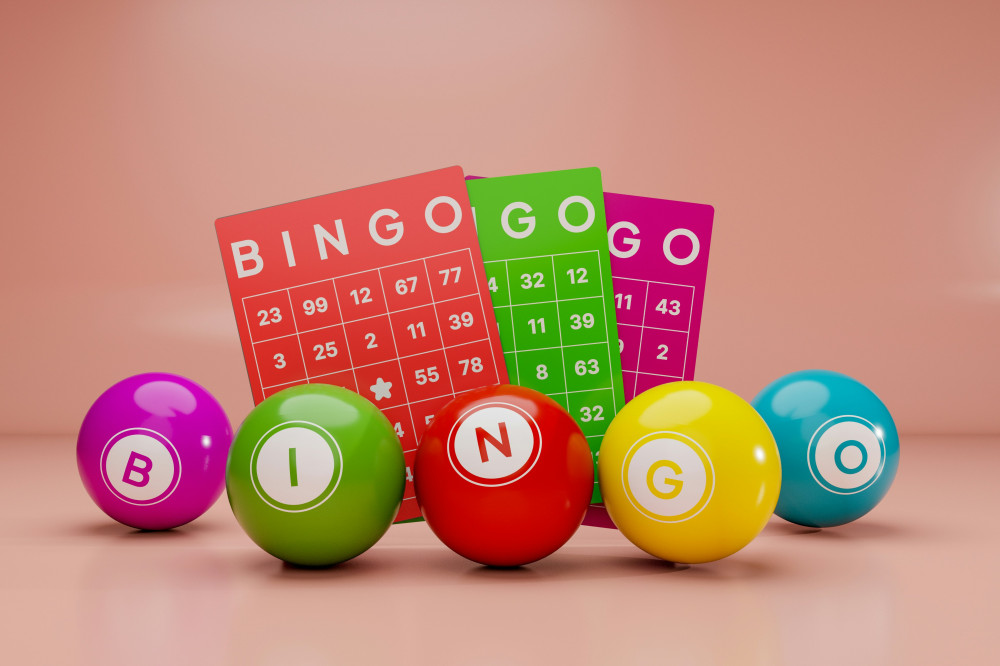
He refined the game, creating standardized cards and rules, and soon introduced it to a national audience. Bingo quickly became a staple of American social life, especially in churches and community fundraisers. It offered not only entertainment but also a way to bring people together for good causes—a tradition that continues to this day.
Bingo’s Return to Europe
After its success in the United States, bingo made its way back across the Atlantic. In the United Kingdom, the game became a cultural phenomenon in the 1960s, when new laws allowed organized bingo halls. These venues attracted players of all ages, offering both excitement and a sense of community.
Elsewhere in Europe, local variations flourished. In Scandinavia, for example, “banko” nights became a beloved social tradition, often held in community halls and sports clubs. The game’s appeal lay in its simplicity and its ability to bring people together, regardless of age or background.
From Paper Cards to Digital Screens
As technology advanced, bingo adapted once again. The rise of the internet brought online bingo platforms and mobile apps, allowing players to join games anytime, anywhere. Many digital versions include chat features that preserve the game’s social spirit, while new formats—like “speed bingo” or themed events—keep the experience fresh for younger audiences.
Despite these innovations, the essence of bingo remains unchanged: the anticipation of the next number, the thrill of completing a line, and the joy of calling out “Bingo!” at just the right moment.
Læs også:


A Game of Tradition and Connection
Bingo’s journey from Renaissance Italy to modern America shows how a simple game can evolve with the times while keeping its heart intact. It’s a pastime that blends history, community, and fun—a reminder that games can do more than entertain; they can connect us.
Whether played in a small-town hall, a bustling casino, or on a smartphone, bingo continues to bring people together, proving that luck is only part of the story. The real magic lies in the shared laughter, the friendly competition, and the enduring sense of belonging that the game inspires.
Læs også: