What Does *Payout* Mean in Roulette – and How Is It Different from *Odds*?


What Does *Payout* Mean in Roulette – and How Is It Different from *Odds*?
When you play roulette, you’ll quickly come across the terms payout and odds. They’re often used interchangeably, but they actually describe two different things. Understanding the difference between them is key if you want to know how winnings and probabilities work in roulette — and to play with insight rather than pure luck.
What Does Payout Mean?
Payout refers to how much you win if your bet is successful. In roulette, payouts are expressed as a ratio of winnings to your original bet. For example, a bet on a single number in American roulette pays 35:1. That means you win 35 times your bet, plus you get your original wager back.
Here are some common roulette payouts:
- Single number (Straight up) – 35:1
- Two numbers (Split) – 17:1
- Four numbers (Corner) – 8:1
- Red/Black, Even/Odd, 1–18/19–36 – 1:1
The fewer numbers you cover, the higher the payout — but the lower your chances of winning.
What Do Odds Mean?
Odds describe the probability of a particular outcome. In roulette, the odds depend on how many pockets are on the wheel and how many of them your bet covers.
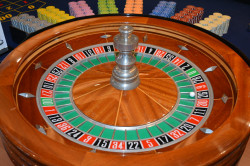
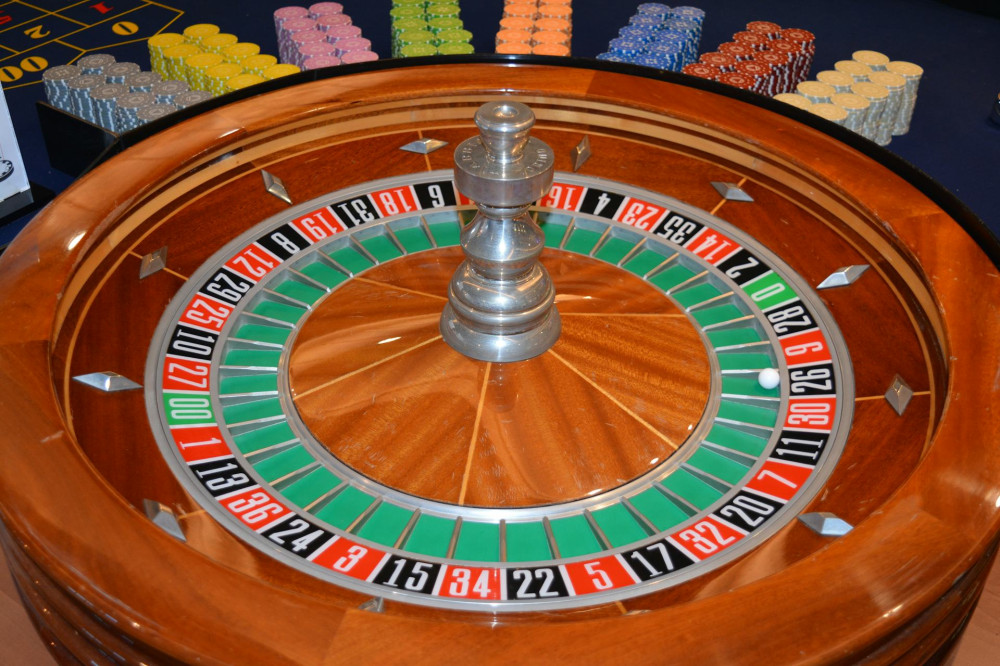
In American roulette, there are 38 pockets (numbers 1–36, plus 0 and 00). In European roulette, there are 37 pockets (numbers 1–36, plus a single 0).
If you bet on a single number in American roulette, your odds of winning are 1 in 38, or about 2.63%. If you bet on red, you’re covering 18 of the 38 pockets, giving you a winning chance of roughly 47.4%.
In short: odds tell you how likely you are to win — payout tells you how much you win if you do.
The Difference Between Payout and Odds
Although payouts and odds are related, they’re not the same. Roulette is designed so that payouts are always slightly lower than what the “true” odds would suggest. That’s how the casino maintains its built-in advantage — known as the house edge.
For example: If there were no zeros on the wheel, a bet on red would have a 50% chance of winning, and a 1:1 payout would be perfectly fair. But because the wheel includes one or two green zeros, the actual probability is slightly less than 50%, while the payout remains 1:1. That small difference is what gives the house its long-term profit.
Læs også:

Why the Difference Matters
Knowing the difference between payout and odds helps you make more informed betting choices. If you prefer frequent but smaller wins, you might choose bets with lower payouts and higher odds — like red/black or even/odd. If you’re chasing big wins and don’t mind lower chances, single-number bets might appeal to you.
Roulette is ultimately a game of chance, but understanding payouts and odds gives you a clearer picture of what to expect — and helps you play responsibly.
Balancing Chance and Strategy
No strategy can eliminate the house edge, but understanding how payouts and odds work can make the game more engaging. You can pick bets that fit your playing style and avoid being misled by high payouts without realizing the low odds behind them.
Roulette isn’t just about luck — it’s also about knowing what you’re betting on.
Læs også: