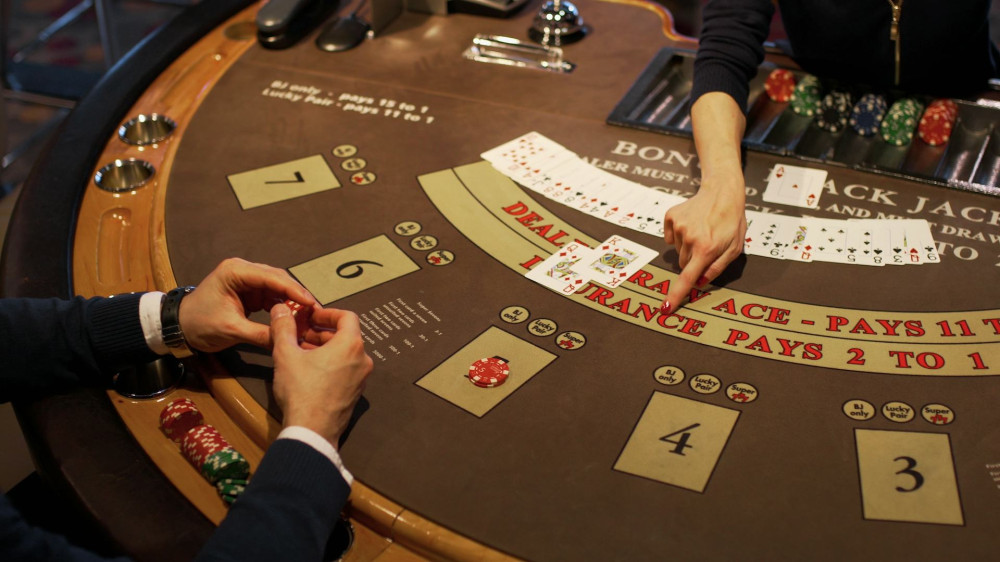
Lotto: When Expectations Meet Reality


Lotto: When Expectations Meet Reality
Every week, millions of Americans buy lottery tickets, each one carrying a tiny spark of hope. The dream is simple yet powerful: financial freedom, early retirement, a new home, or the chance to help family and friends. But what happens when those dreams meet the cold math of probability? How realistic is it to win, and what does the lottery really mean for those who play?
The Dream of Instant Fortune
The lottery is more than a game—it’s a symbol of possibility. It represents the idea that anyone, regardless of background, could wake up tomorrow as a millionaire. Advertisements and news stories about lucky winners reinforce that dream: the factory worker who can finally quit his job, the single mom who pays off her debts, the retiree who buys the RV and hits the open road.
Psychologically, that dream is what keeps people playing. It offers a momentary escape from everyday worries—a sense that life could change in an instant. But that same hope can also blur the line between fantasy and reality, especially when the odds are so overwhelmingly against us.
The Numbers Behind the Hope
The chances of hitting the jackpot in a major U.S. lottery like Powerball or Mega Millions are astronomically low. For Powerball, the odds of winning the grand prize are about 1 in 292 million. To put that in perspective, you’re far more likely to be struck by lightning—multiple times—than to win the jackpot.
Even smaller prizes are rare, and most players lose more money over time than they win. Yet millions continue to play, not necessarily because they expect to win, but because the act of playing itself feels good. It’s a small investment in a big dream.
When Playing Becomes a Habit
For most people, buying a lottery ticket is a harmless ritual—a couple of dollars spent on a bit of fun and imagination. But for some, it can become a habit that quietly adds up. According to surveys, the average American spends several hundred dollars a year on lottery tickets, and lower-income households tend to spend a larger share of their income on them.
That doesn’t mean playing is inherently bad, but it’s important to recognize when it stops being entertainment and starts becoming an expectation. The lottery should never be seen as a financial plan—it’s a game of chance, not a strategy for success.
When the Dream Comes True
Every so often, someone does win. But life after a big lottery win isn’t always as simple as it seems. Many winners describe the first days as euphoric, followed by a wave of confusion and pressure. Suddenly, they must make decisions about taxes, investments, and how to handle requests from friends and family.
Some winners choose to stay anonymous to avoid unwanted attention. Others use their winnings to support causes they care about. But studies show that sudden wealth doesn’t automatically lead to lasting happiness. After the excitement fades, many find that their daily lives—and their sense of fulfillment—return to something close to what it was before.
Læs også:
Finding Joy in the Small Things
Even if the odds are slim, the lottery can still bring a bit of joy. For many, it’s not about the money but the momentary thrill of imagining “what if.” In that sense, buying a ticket is like paying for a few minutes of daydreaming—a small escape from routine.
If approached with that mindset, playing the lottery can be a harmless form of entertainment. The key is to keep perspective: enjoy the dream, but don’t depend on it. The real reward might not be the jackpot itself, but the hope it inspires.
When Expectations Meet Reality
The lottery sits at the intersection of hope and mathematics. The expectation of winning rarely matches the reality, but that doesn’t make the game meaningless. It offers a glimpse of possibility, a reminder that life can surprise us—even if not in the way we expect.
The dream of winning will always be part of the human imagination. But perhaps the wisest way to play is to see the lottery for what it is: a game, not a guarantee. Because in the end, wealth isn’t just about numbers on a ticket—it’s about how we choose to find meaning, joy, and contentment in the life we already have.
Læs også: