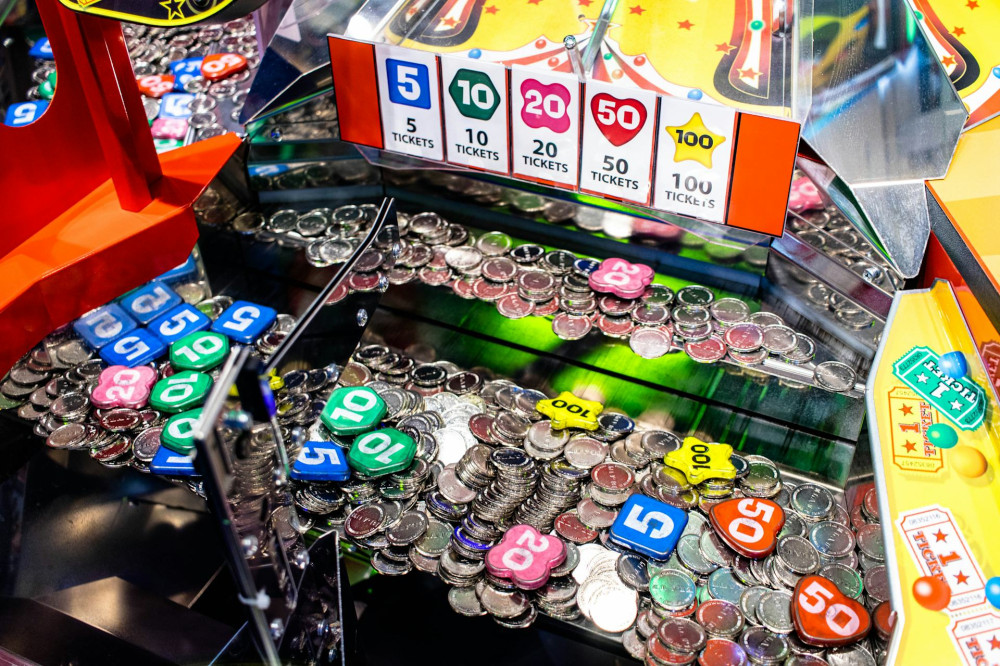
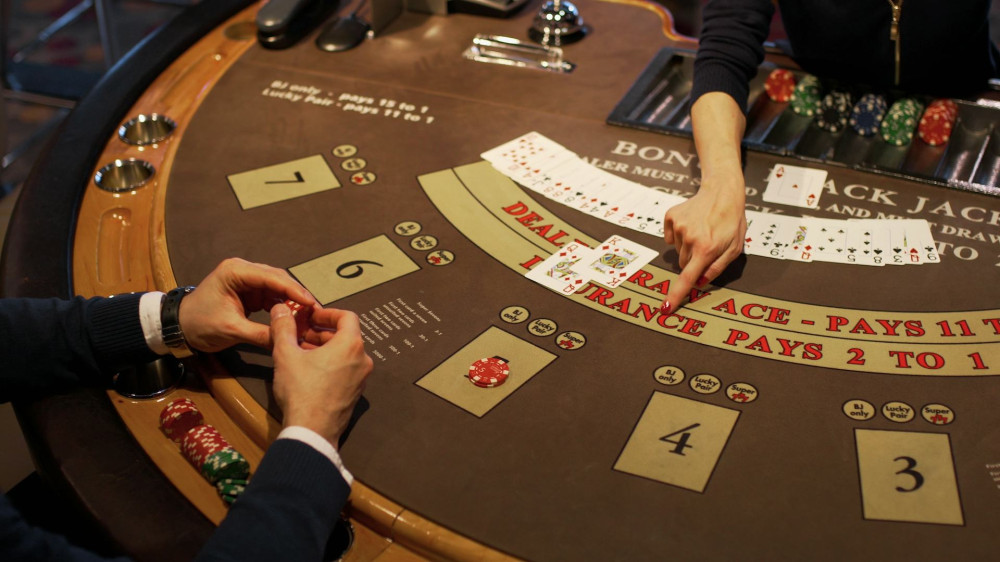
Luck and Chance: The Universal Fascination with Randomness

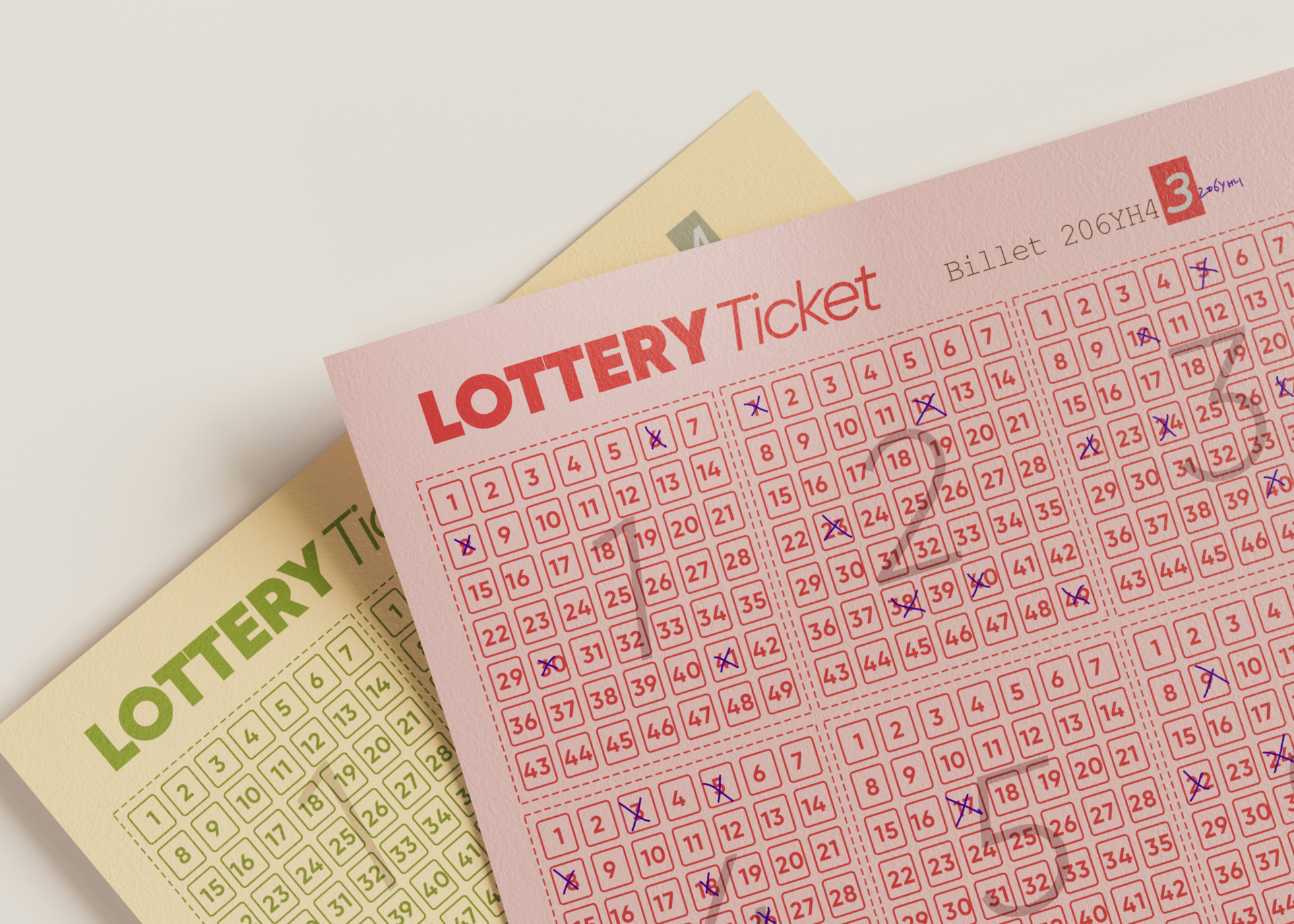
Luck and Chance: The Universal Fascination with Randomness
Why do we keep getting drawn to games, lotteries, and those small everyday miracles where the outcome depends entirely on chance? From scratch-off tickets and Powerball drawings to lucky charms and superstitions, our fascination with luck is universal. It speaks to something deeply human: the dream that fate might suddenly smile upon us, that everything could change in an instant.
When Randomness Feels Like Meaning
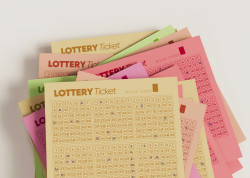
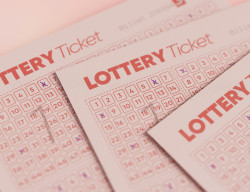
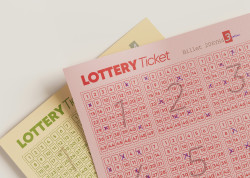
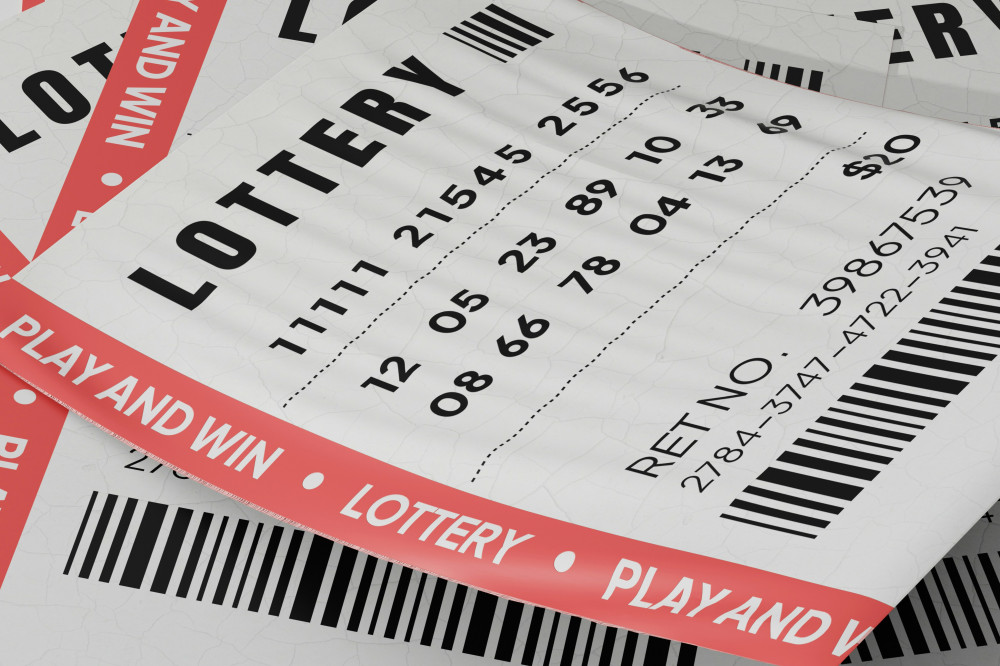
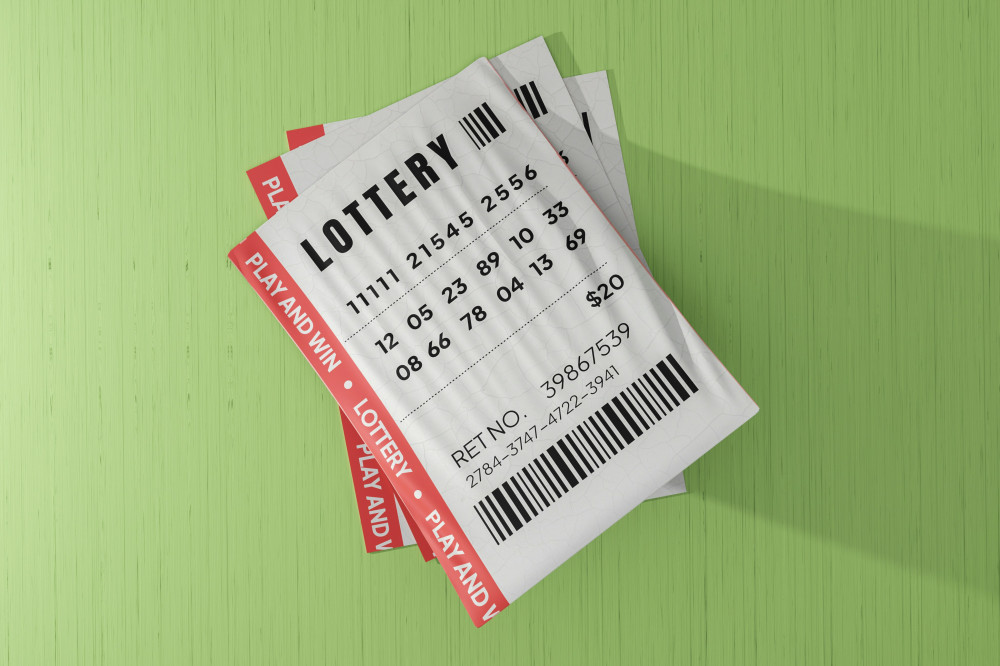
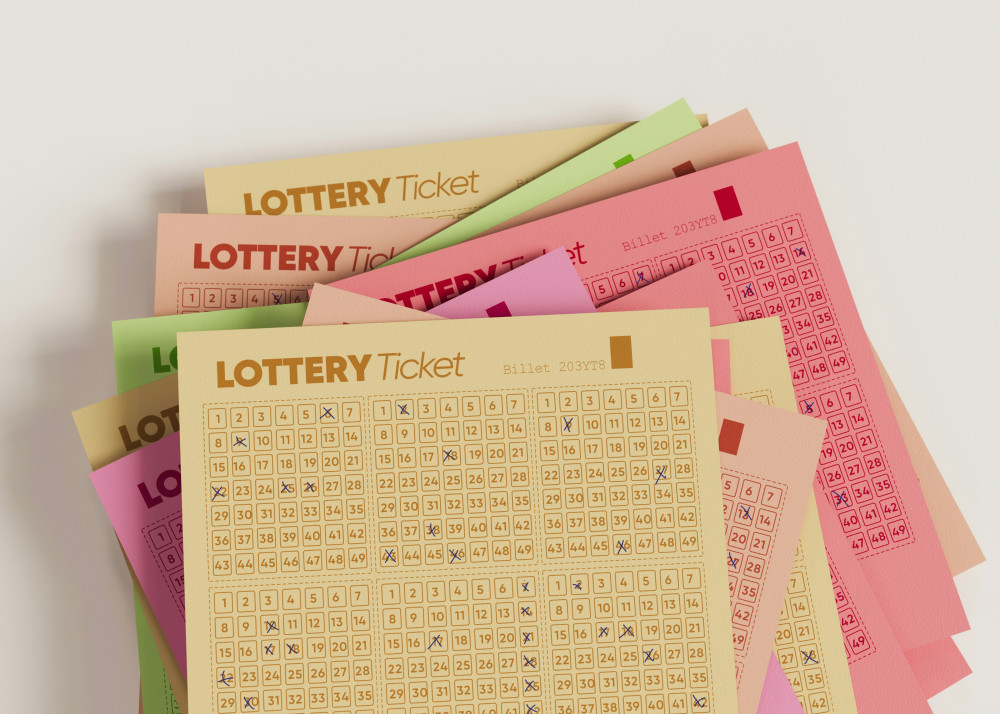
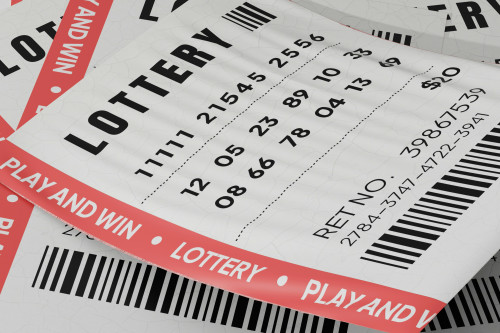
Even though we know the odds of winning the lottery are astronomically low, millions of Americans still buy a ticket every week. It’s rarely just about the money. That ticket represents hope—a tiny passport to an alternate reality where anything is possible. Psychologists note that humans are wired to look for patterns and meaning, even in randomness. When we win, it feels like a sign; when we lose, it feels like a reminder that next time might be different.
This search for meaning in chance is ancient. Long before modern lotteries, people cast dice, read omens, or looked to the stars to interpret destiny. Today, algorithms and random draws have taken their place, but the feeling remains the same.
Luck as Hope and Control
Luck is paradoxical. It’s something we can’t control, yet we constantly try to influence it. Many of us have our own rituals: a lucky shirt, a favorite number, a routine before a big presentation. These habits give us a sense of control in an unpredictable world. Studies show that such rituals can actually boost confidence and reduce stress—not because they change the outcome, but because they change how we experience it.
In a society where so much can be planned, measured, and optimized, randomness offers a kind of freedom. It reminds us that not everything can be predicted, and that life still holds surprises.
From Lotteries to Life Philosophy
Lotteries and gambling are the most visible expressions of our relationship with luck, but the fascination goes far beyond that. We talk about being “lucky in love,” “born under a lucky star,” or “down on our luck.” Luck becomes a way to make sense of life’s unpredictability—a language for what we can’t fully explain.
Different cultures interpret luck in different ways. In many Asian traditions, luck is something that can be cultivated through balance and harmony. In Western culture, it’s often seen as something that strikes without warning. Yet across cultures, there’s a shared belief that luck can turn—that we can somehow influence our own fate if we just do the right thing.
Læs også:
The Modern Obsession with Randomness
Today, randomness isn’t confined to games and lotteries—it’s woven into our digital lives. Streaming platforms suggest “random picks for you,” dating apps match us with a swipe, and social media rewards us with unpredictable likes. The same mechanism that makes us buy a lottery ticket also makes us check our phones again and again—maybe there’s something new, maybe not.
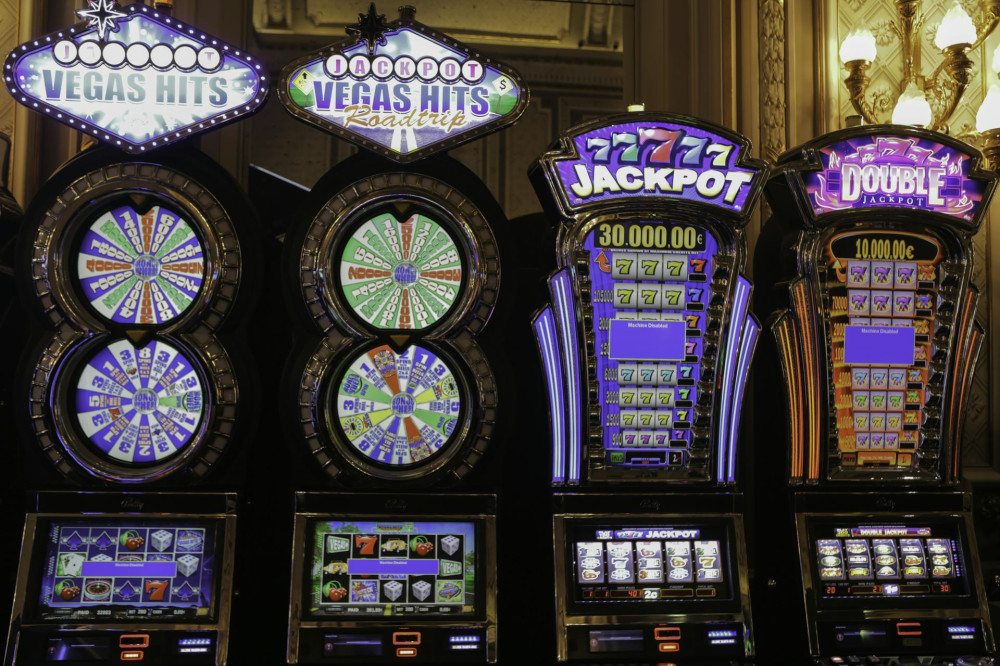
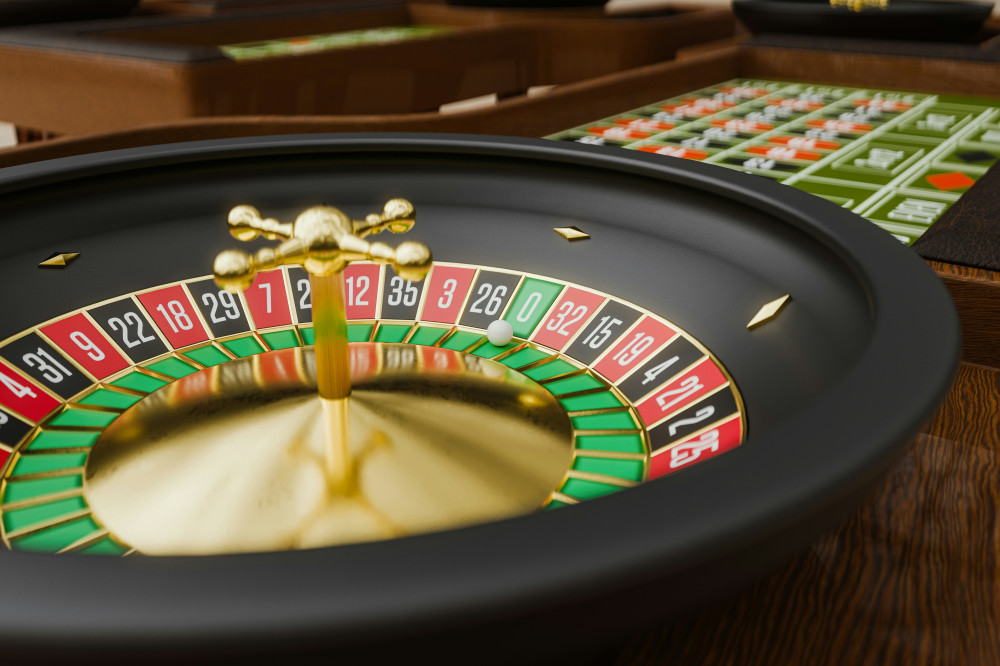
Researchers call this “variable reward.” The brain reacts most strongly when we don’t know when the next reward will come. It’s the same psychology that drives both slot machines and social media—and it’s what makes randomness so addictive.
When Luck Becomes Everyday Life
Even if we never buy a lottery ticket, we live with small doses of randomness every day. We meet people by chance, get a job through an unexpected connection, or stumble upon a book that changes our perspective. These moments remind us that life isn’t just about planning—it’s also about timing and luck.
Accepting randomness can be liberating. It doesn’t mean surrendering to fate, but allowing space for the unpredictable—and maybe even enjoying it.
The Double Nature of Luck
Luck can feel like a gift, but also like a challenge. What do we do when we’re not the lucky ones—when the draw doesn’t go our way? Here, our fascination with chance reveals its other side: humility. We can do everything right and still not get the result we want—and sometimes, success finds us when we least expect it.
Perhaps that’s why we remain so captivated. Luck reminds us that life can’t be reduced to formulas and plans. It’s a dance between control and chaos—and in that dance, we find both excitement and meaning.
Læs også: