The History of the Lottery: What the Past Can Teach Today’s Lottery Players

The History of the Lottery: What the Past Can Teach Today’s Lottery Players
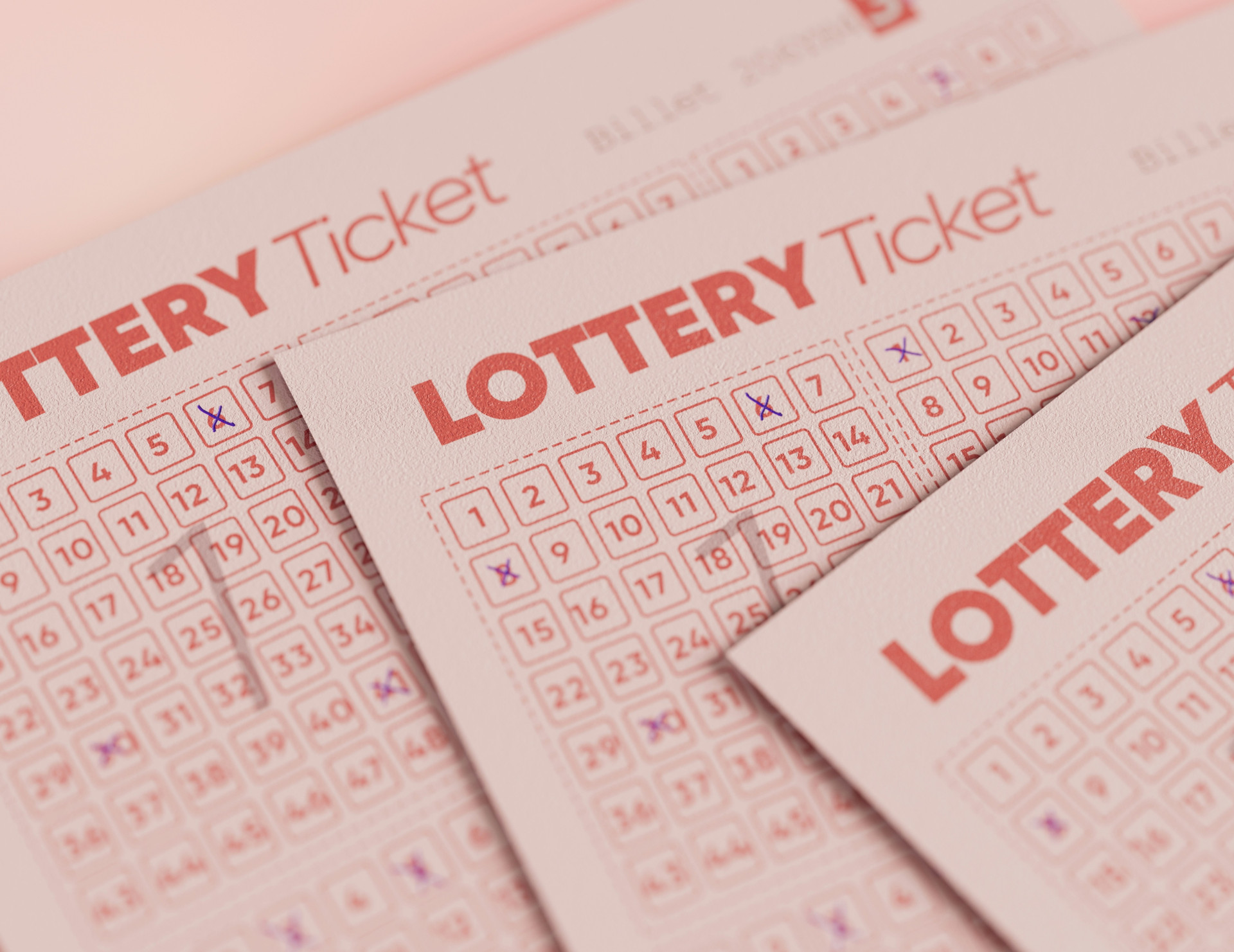
For centuries, lotteries have captured the human imagination — a blend of luck, hope, and the dream of a better life. From early drawings in Renaissance Europe to today’s billion-dollar jackpots, lotteries have funded public projects, inspired countless dreams, and sparked debates about chance and responsibility. But beyond the excitement of winning lies a deeper story — one that offers lessons for modern players.
From Colonial America to State Lotteries
Lotteries arrived in North America long before the United States was founded. In the 1600s, English settlers used them to raise money for colonies like Jamestown, Virginia. Later, in the 18th century, lotteries helped fund roads, bridges, and even universities such as Harvard, Yale, and Princeton. They were seen as a practical way to finance public works without raising taxes — a voluntary contribution with a thrilling twist.
By the 19th century, however, scandals and corruption led many states to ban lotteries. It wasn’t until the 1960s that they made a comeback, starting with New Hampshire’s state lottery in 1964. Today, nearly every U.S. state runs its own lottery, generating billions for education, infrastructure, and community programs.
Læs også:
A Mirror of Society
The history of the lottery reflects the values and challenges of each era. In early America, it symbolized civic participation and collective progress. In the 20th century, it became a form of mass entertainment — a weekly ritual that gave ordinary people a chance to dream big. Yet, as the lottery grew, so did concerns about its social impact. Critics argued that it preyed on the hopes of those least able to afford it.
That debate continues today. Modern lotteries are heavily regulated, with an emphasis on transparency and responsible play. Still, the tension between hope and risk remains — a reminder that the lottery is as much about psychology as it is about probability.
Technology and Transformation
The digital age has revolutionized the lottery. What once required a trip to the corner store can now be done with a few taps on a smartphone. Online platforms, instant games, and national draws like Powerball and Mega Millions have made participation easier — and jackpots larger — than ever before.
But convenience comes with new challenges. The social aspect of buying a ticket with friends or chatting with a clerk has given way to solitary play. The excitement is still there, but so is the need for self-awareness. Today’s players must set their own limits and remember that the odds haven’t changed — only the way we play has.
Lessons from the Past
History offers valuable insights for anyone tempted by the promise of a life-changing win. Here are three lessons that stand the test of time:
- Treat the lottery as entertainment, not investment. Early lotteries were designed to support public causes, not to guarantee personal wealth. The same mindset helps keep play enjoyable and responsible today.
- Understand the odds. The chance of winning a major jackpot has always been slim. Modern players have access to clear statistics — use them to play with perspective, not illusion.
- Play in moderation. Every era has its stories of both triumph and heartbreak. The healthiest approach is to see the lottery as a bit of fun, not a financial strategy.
The Lottery as Cultural Heritage
Despite centuries of change, the essence of the lottery remains the same: the hope that fortune might smile on us, just once. It’s a tradition that connects generations — from colonial fundraisers to televised drawings and digital apps. The lottery endures because it speaks to something timeless in human nature: our desire to believe that anything is possible.
Understanding the history of the lottery reminds us that it has always been more than a game of chance. It’s a reflection of our hopes, our communities, and our enduring belief in luck — a belief that, for better or worse, continues to shape the American dream.
Læs også: